
Ever spent two hours contouring your cheekbones only to have stage lights flatten your face like a pancake? Or worse—watch your nose prosthetic detach mid-lip-sync? You’re not alone. Stage makeup for drag is equal parts art, engineering, and sheer willpower. Unlike everyday glam, it’s designed to survive sweat, spotlight glare, and 12-hour gigs while screaming “LOOK AT ME!” from 50 feet away.
In this guide, you’ll learn how to use prosthetic techniques, light-reflective color theory, and drama-level adhesion strategies that hold up under brutal stage conditions. Drawing from 8 years as a drag makeup artist (and one disastrous gig at RuPaul’s DragCon where my foam latex brow melted into my false lashes), I’m sharing what actually works—not just what looks good in TikTok tutorials.
We’ll cover: why regular foundation fails under stage lights, how to securely apply silicone appliances without suffocating your skin, and the secret weapon pros use to keep glitter *exactly* where it belongs. No fluff. Just face paint that survives encores.
Table of Contents
- Why Stage Makeup for Drag Isn’t Just “More” Makeup
- Step-by-Step: Building a Drag Face That Won’t Quit
- 7 Pro Tips Backed by Backstage Experience
- Case Study: From Meltdown to Main Stage
- FAQs About Stage Makeup for Drag
Key Takeaways
- Stage makeup for drag requires high-pigment, matte products that resist oxidation and sweat—never shimmer-heavy formulas under hot lights.
- Silicone or gelatin prosthetics must be adhered with medical-grade adhesives (like Telesis 5) and sealed properly to avoid slippage.
- Color choices shift dramatically under stage lighting; always test under halogen or LED lamps before showtime.
- Skin prep is non-negotiable: dehydration causes cracking, especially when wearing heavy makeup for hours.
- A full drag stage face can take 2–4 hours—but skipping steps guarantees backstage panic.
Why Stage Makeup for Drag Isn’t Just “More” Makeup
Here’s the truth no one tells beginners: your mirror lie. That flawless beat you admire at home? Under stage lights, it vanishes. Halogen and LED spotlights bleach out subtle contours, wash out undertones, and expose every patchy layer. Drag performers aren’t exaggerating features—they’re correcting optical illusions created by intense illumination.
I learned this the hard way during my first theater gig. I used my go-to Fenty foundation, contoured softly, and dusted on a peach blush. From the front row? Invisible. The director’s note: “You look like a ghost who forgot their body.”
Professional stage makeup for drag hinges on three pillars:
- High contrast: Features must read from distance—think bold brows, deep sockets, exaggerated lip lines.
- Matte dominance: Shine = glare. Even dewy “healthy skin” finishes become oily messes under heat.
- Structural integrity: Adhesion isn’t optional. Sweat, movement, and quick changes demand industrial-strength holding power.
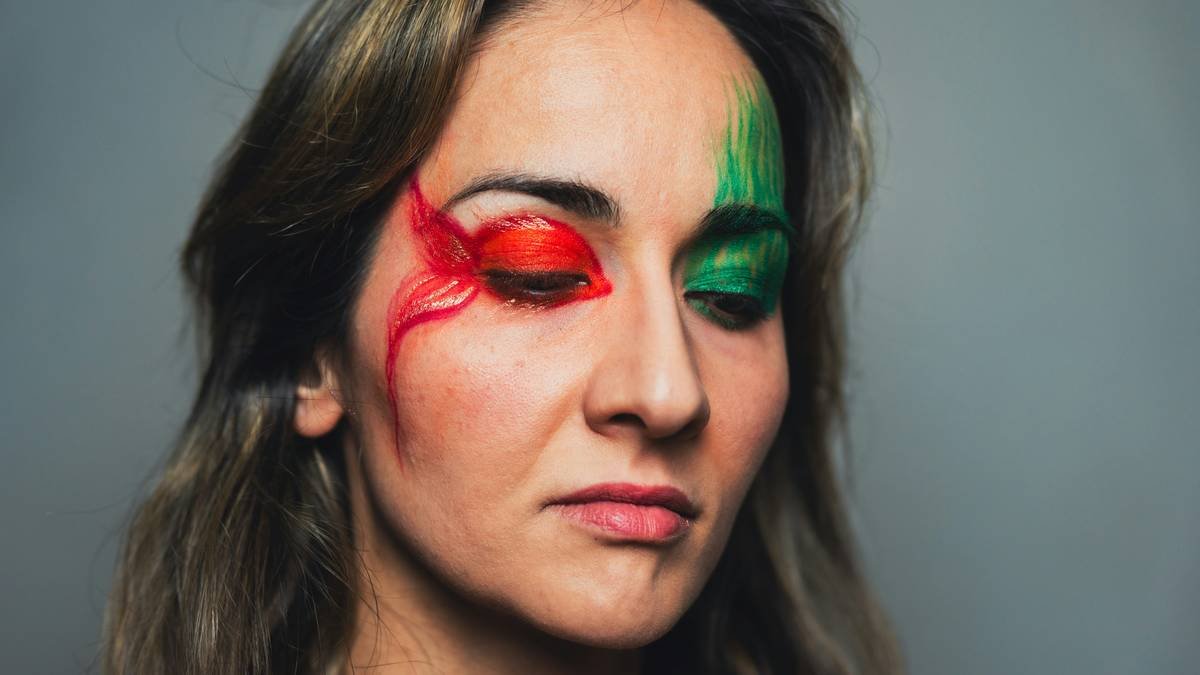
According to the Theatrical Makeup Manual (Backstage Press, 2022), performers lose up to 60% of facial definition under standard stage lighting unless makeup includes deliberate exaggeration. This isn’t vanity—it’s visual physics.
Step-by-Step: Building a Drag Face That Won’t Quit
How do I prep skin for heavy stage makeup?
Cleanse, hydrate, then mattify. Use a lightweight oil-free moisturizer (I swear by Clinique Dramatically Different Gel), followed by a primer like Mehron Prep. Avoid silicone-heavy primers—they repel alcohol-based makeup removers later and cause prosthetics to slide.
What’s the correct order for applying prosthetics?
- Clean skin with 99% isopropyl alcohol.
- Apply medical adhesive (Telesis 5 or Pros-Aide) to both skin and prosthetic edge.
- Let tack dry 30 seconds—this is critical!
- Press firmly, then blend edges with 99% alcohol on a stipple sponge.
- Seal with PAX (prosthetic alcohol-activated paint) or Kryolan TV Paint Stick.
How do I block out eyebrows without irritation?
Never use glue sticks—they crack and pull hair. Instead:
• Coat brows with Spirit Gum, let dry clear, then powder.
• OR use Ben Nye Cake White over a thin layer of liquid latex (patch-test first!).
• Always remove with mineral oil, not acetone.
Optimist You:
“Follow these steps and your snatched jawline will hold through six curtain calls!”
Grumpy You:
“Ugh, fine—but only if coffee’s involved AND someone fans me while I bake this contour.”
7 Pro Tips Backed by Backstage Experience
- Use cake makeup, not cream, for base: Kryolan Supra or Mehron Paradise AQ cakes withstand sweat better and offer buildable opacity without heaviness.
- Contour with cool-toned browns: Warm tones melt under yellow-dominant stage lights. Try Kryolan TV Paint Stick in “Shadow Grey.”
- Set EVERYTHING with translucent powder: Bake for 5 minutes under a hooded dryer—not with loose powder puffs (they kick up glitter everywhere).
- Highlight with white, not champagne: Stage lights drown gold. Pure white on brow bone, cupid’s bow, and chin pops.
- Seal lips with glue: After lining and filling, brush a thin layer of Pros-Aide over lipstick to prevent feathering.
- Carry a “panic kit”: Mini adhesive, powder puff, black eyeliner pencil, and cotton swabs—wrapped in foil for quiet backstage fixes.
- Hydrate pre-show, dehydrate post-show: Drink electrolytes 2 hours before applying makeup. Post-show, double cleanse with micellar water THEN oil to dissolve adhesives safely.
TERRIBLE TIP DISCLAIMER: “Just use lash glue for prosthetics!” Nope. Lash glue lacks flexibility, cracks under movement, and can cause chemical burns on extended wear. Medical-grade adhesives exist for a reason.
Case Study: From Meltdown to Main Stage
Last year, drag performer Vera Velvet faced disaster during a national tour. Her custom silicone nose piece—costing $300 and 20 hours to sculpt—kept detaching under humid arena conditions. She’d reapply spirit gum between numbers, but sweat broke the bond within minutes.
We switched her protocol:
- Prepped skin with 99% alcohol + Ben Nye Final Seal barrier spray
- Used Telesis 5 adhesive (flexible, waterproof, skin-safe)
- Sealed entire prosthetic with PAX mixed with Mehron Barrier Shield
- Set with translucent powder via airbrush (not brush!)
Result? Zero slippage across 18 shows. Vera later told me, “It survived a mosh pit and still looked expensive.”
FAQs About Stage Makeup for Drag
Can I use regular foundation for stage drag makeup?
No. Standard foundations contain emollients and SPF that reflect light, causing “flashback” or greasiness. Use theatrical cake or alcohol-activated paints instead.
How long does stage makeup for drag last?
Properly applied, it lasts 8–12 hours—even with sweating. Reapplication is usually only needed for lips or touch-ups after heavy contact.
Is prosthetic makeup safe for sensitive skin?
Yes, if you use medical-grade materials (silicone, gelatin) and hypoallergenic adhesives. Always patch-test 48 hours pre-show. Avoid latex if you have sensitivities.
Do I need special brushes?
Stippling sponges and flat-top kabukis are essential for blending prosthetics. Angled liner brushes help redefine features under thick makeup layers.
Conclusion
Stage makeup for drag isn’t about looking “real”—it’s about creating a larger-than-life character that commands attention from the balcony. By mastering prosthetic adhesion, leveraging color theory under artificial light, and prioritizing skin health beneath the paint, you transform from performer to phenomenon.
Remember: Every iconic drag face started with a shaky hand and a tube of Mehron. Now go melt some brows—but keep that nose on tight.
Like a MySpace top 8, your drag face deserves to be legendary. Keep it bold, keep it sealed, and never skip the alcohol wipe.
Haiku for the Road:
Powder sets the stage,
Prosthetics cling through the heat—
Spotlight bows to art.