Most aspiring special effects artists think slapping on latex and calling it a day creates believable monsters. It doesn’t. The result? Flimsy, expressionless faces that crack under stage lights—or worse, fall off mid-performance. Here’s the fix: mastering prosthetic makeup for monsters isn’t about more glue—it’s about smarter construction, anatomical precision, and controlled movement.
Why Traditional Latex Monsters Fall Apart (Literally)
Latex is cheap. And that’s exactly why it fails. It tears with minimal flex, yellows in UV light, and lacks skin-like texture. You’ve seen it—the droopy werewolf nose sagging by act two, seams splitting like overcooked pasta. Even gelatin, once hailed as “the secret,” melts faster than ice cream in July.
And don’t get me started on spirit gum alone holding heavy forehead appliances through sweat-drenched performances. The math is simple: poor material + poor adhesion = disaster.
Step-by-Step Guide to Durable, Expressive Prosthetic Monsters
Forget what YouTube tutorials show you. Real monster-making starts long before paint hits silicone.
Anatomical Sculpting Over Cartoonish Carving
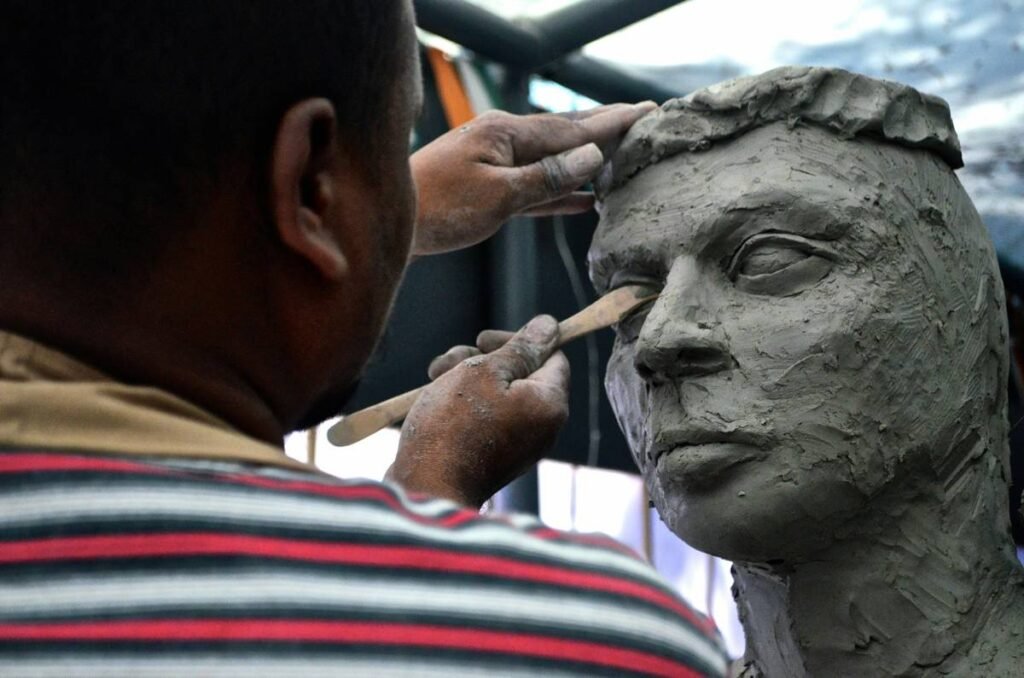
Monsters need underlying bone structure—even if they’re alien. Study human skulls, then exaggerate zygomatic arches or mandibular angles. Without it, your demon looks like a deflated balloon. Use oil-based clay on lifecasts. Work in asymmetry—nature isn’t symmetrical, and neither are nightmares.
Mold Making That Doesn’t Trap Air Bubbles
Pourable platinum silicone is non-negotiable for thin, flexible pieces. Brush-on layers first—three coats minimum—then backfill with mother mold (fiberglass or plaster bandage). And always degas your silicone if you own a vacuum chamber. No chamber? Tap molds aggressively post-pour. It’s tedious—but beats sanding dozens of bubble craters later.
Adhesion That Survives Sweat, Tears, and Stage Combat
Spirit gum? Only for small bald caps. For full-face or chest appliances, use medical-grade adhesives like Telesis 5 or Beta Bond. Clean skin with 99% isopropyl alcohol first. Then stipple adhesive in thin layers—never flood it. Let each layer tack dry. Apply piece slowly, pressing from center outward to avoid wrinkles.
| Material Type | Durability (Hours) | Flexibility | Cost per Full-Face Application | Best For |
|---|---|---|---|---|
| Latex (Standard) | 2–4 | Low | $15–$25 | Static photo shoots only |
| Gelatin | 1–2 | Medium | $10–$20 | Cool indoor environments; very short scenes |
| Platinum Silicone | 8–12+ | High | $80–$150 | Film, live theater, stunt-heavy roles |
| Foam Latex | 6–8 | Medium-High | $50–$90 | Full-body suits; requires baking |
The Industry Secret: Movement Mapping Before Painting
Here’s what top-tier studios won’t tell you: your monster’s face must move like real flesh—or the illusion dies. Before a single drop of paint touches silicone, map muscle contractions on the performer’s bare face using temporary markers. Note where crow’s feet form when they squint, how nostrils flare when snarling. Then replicate those tension zones in your appliance’s thickness—thin where skin stretches, slightly thicker where it bunches.
Think about it: Gollum worked because his brow furrowed authentically. Not because he was scaly. Texture follows motion—not the other way around.
Frequently Asked Questions
How long does prosthetic makeup for monsters last during a live performance?
With platinum silicone and medical adhesive, 8–12 hours easily—even under hot lights and physical exertion. Latex? Maybe half that before edges lift.
Can you reuse prosthetic monster pieces?
Absolutely—if cleaned properly. Wash with mild soap, disinfect with diluted alcohol, powder lightly, and store flat in airtight containers. Silicone pieces often survive 5+ uses.
What’s the biggest mistake beginners make with monster prosthetics?
Overloading texture. Real skin—even monstrous—has subtle gradation. Heavy stippling or excessive scarring reads as “costume-y.” Less is terrifyingly more.

Your monster shouldn’t just look scary. It should breathe, blink, and snarl like it’s alive. Start with structure, prioritize movement, and never compromise on adhesion. Ready to build something that haunts dreams—and holds up under scrutiny? Dive into silicone. The audience won’t know how—you’ll just vanish behind your creation.