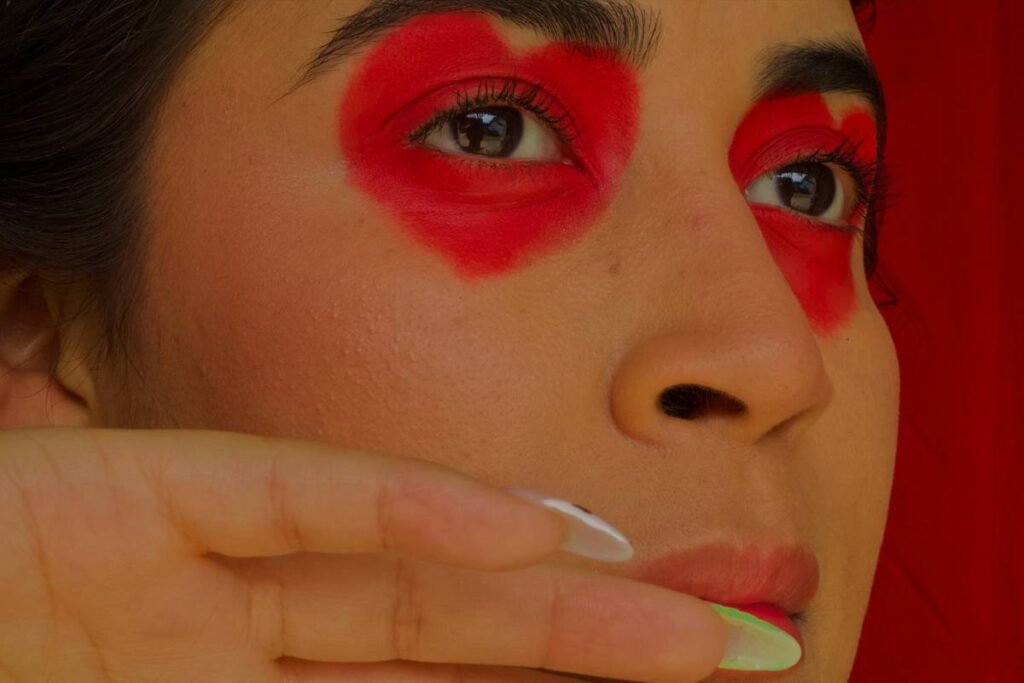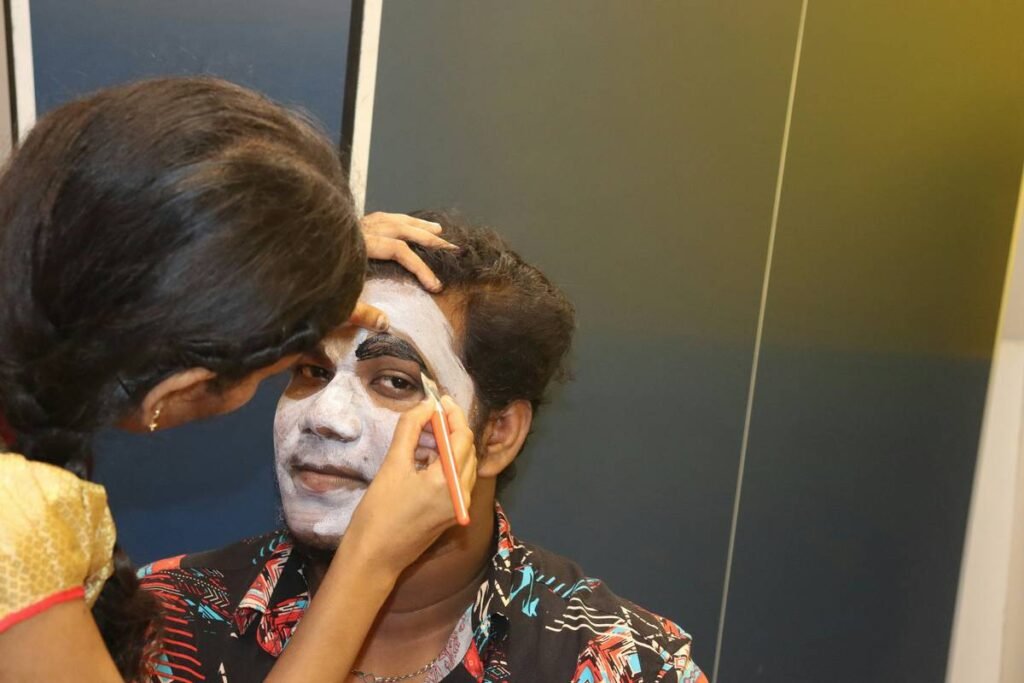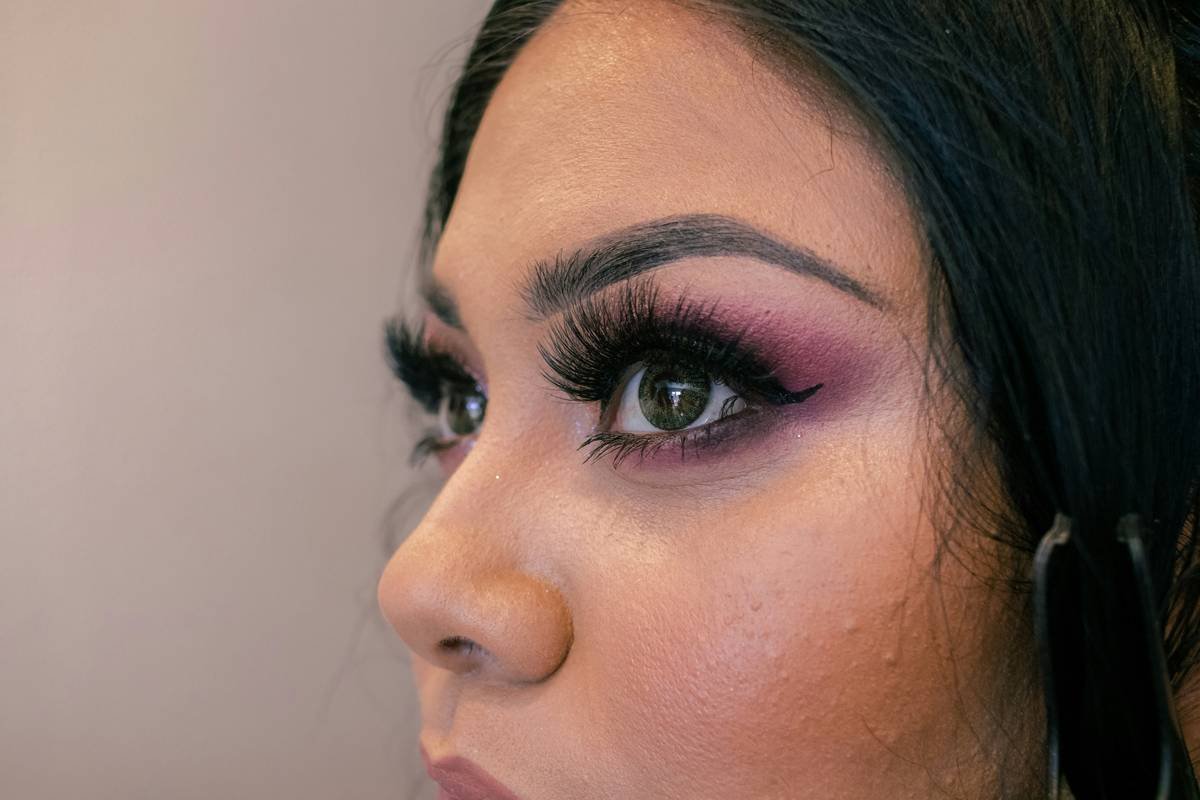
Ever stared at your prosthetic application and thought, “Why does this look more like a pancake than Predator?” Yeah, we’ve all been there.
Welcome to the wild world of creature makeup effects! Whether you’re creating aliens for cosplay or transforming into an ogre for Halloween, mastering prosthetics is key. In this guide, you’ll dive deep into the art of creature design, step-by-step techniques, and tips that are chef’s kiss for jaw-dropping transformations.
We’ll explore:
- The magic (and mess) behind creature makeup effects
- A foolproof process for applying prosthetics like a pro
- Tips from industry legends—and one terrible tip you should avoid
- Rants about cheap latex disasters (because no one talks about those)
Table of Contents
- Key Takeaways
- The Art of Creature Makeup Effects
- Step-by-Step Guide to Prosthetic Application
- Best Practices for Stunning Results
- Real-World Inspiration: Case Studies
- FAQs About Creature Makeup Effects
- Conclusion: Bring Your Monsters to Life
Key Takeaways
- Creature makeup effects combine artistry with technical skills like sculpting, molding, and painting.
- Proper preparation of skin and materials is crucial for seamless applications.
- Invest in quality products—cheap latex can ruin even the best designs.
- Practice blending edges; it’s what separates pros from amateurs.
- Never skip cleanup tools unless you want your model looking like they wrestled a glue stick.
The Art of Creature Makeup Effects
Ever wondered how Hollywood creates otherworldly beings? It’s not CGI all the time—many iconic creatures come alive through prosthetic makeup. From Jabba the Hutt to Hellboy, these characters thrive thanks to skilled artists wielding foam latex and silicone.
But here’s the harsh truth: If you slap on a prosthetic without finesse, it won’t just look bad—it could fall off mid-performance. I once glued an earpiece onto my friend only to have it pop off during her dramatic monologue. Talk about awkward applause breaks!
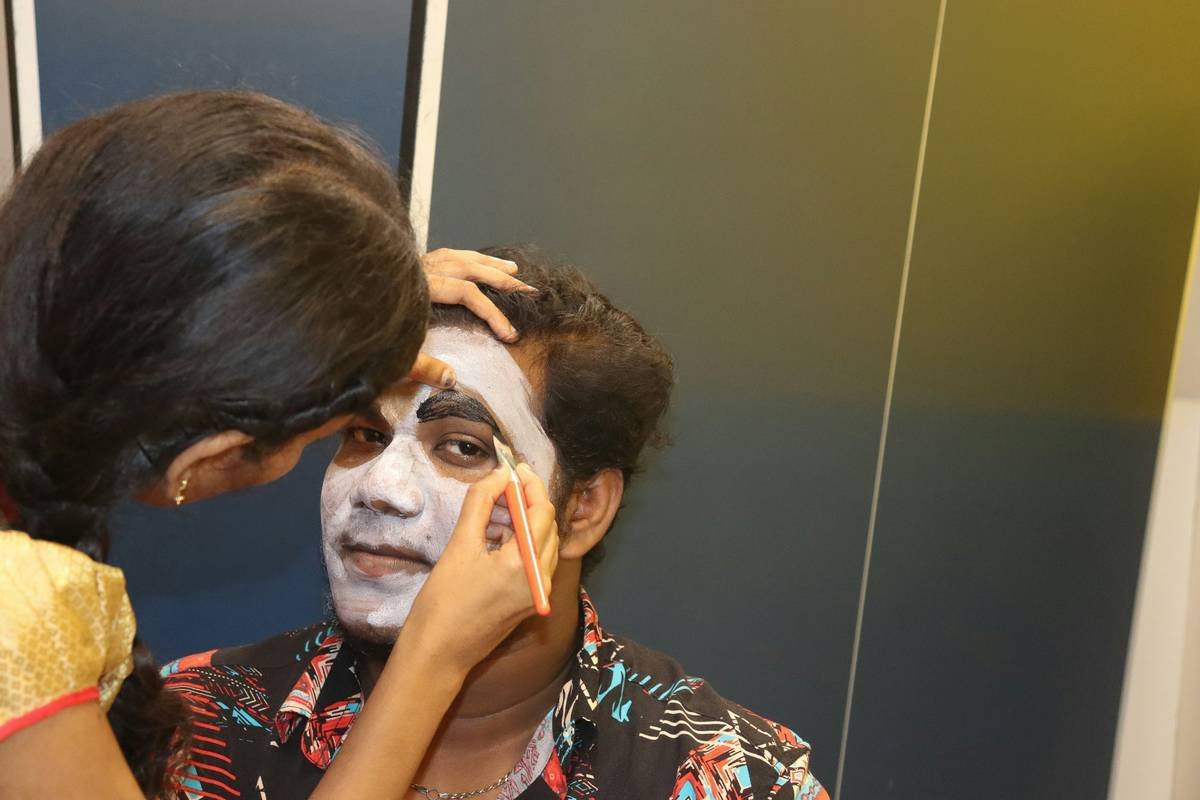
Why Creature Makeup Effects Matter
Optimist You: “Anyone can do this with enough practice!”
Grumpy You: “Yeah, sure—but good luck explaining why your werewolf has glitter eyebrows.”
Whether you’re prepping for film sets, conventions, or YouTube tutorials, nailing creature makeup effects adds depth to storytelling. It’s not just slapping pieces on—it’s crafting emotion, texture, and realism.
Step-by-Step Guide to Prosthetic Application
Step 1: Prep Like a Pro
No shortcuts here—cleanse and prime the skin thoroughly. Think of it as laying down fresh asphalt before sticking labels on it.
Step 2: Position & Adhere
Using spirit gum or pros-aide adhesive, position your prosthetic carefully. Press gently but firmly—like smoothing out bubble wrap without tearing it.
Step 3: Blend Those Edges
This is where the magic happens. Feather the edges with liquid latex and stipple foundation over them until it disappears entirely. Ugh, fine—but only if coffee’s involved.
Step 4: Color & Detail
Paint using alcohol-based paints for durability. Add veins, scars, and textures for extra oomph. Sounds satisfying, right?
Best Practices for Stunning Results
- Patch Test: Always test adhesives beforehand. Allergic reactions? No thanks.
- Layer Wisely: Build up colors gradually rather than going Hulk-green immediately.
- Hydrate Skin: Dry skin = flaky results. Moisturize well before starting.
- Don’t Rush: Prosthetics require patience. Speed kills creativity.
One Terrible Tip That Fails Miserably
Skip primer because “it doesn’t matter”? Oh dear, prepare for disaster. Skipping prep leaves your masterpiece peeling faster than sunburned shoulders.
Real-World Inspiration: Case Studies
Remember Tom Savini’s groundbreaking zombie work in *Dawn of the Dead*? His secret? Obsessive attention to detail. He literally sculpted nightmares by hand.
Or take Neill Gorton, whose team turned David Bowie into an alien icon in *The Man Who Fell to Earth*. These pros didn’t wing it—they perfected every nuance.
FAQs About Creature Makeup Effects
Q: How long does a full prosthetic application take?
A: Depending on complexity, anywhere from 2 to 8 hours. Bring snacks!
Q: Can I reuse prosthetics?
A: Yes, with proper care. Store them flat, away from sunlight.
Q: What product is essential for beginners?
A: Pros-aide adhesive. It’s forgiving and strong enough for most projects.
Conclusion: Bring Your Monsters to Life
Creature makeup effects aren’t just for pros—they’re for anyone willing to get messy, precise, and bold. Armed with the right tools, techniques, and attitude, you’re ready to bring imaginary worlds to life.
So grab your brushes, summon your inner artist, and remember:
Latex drips,
Brushes blend dreams,
Monsters rise.
Like Tamagotchis, your creations need love and patience. Happy haunting!