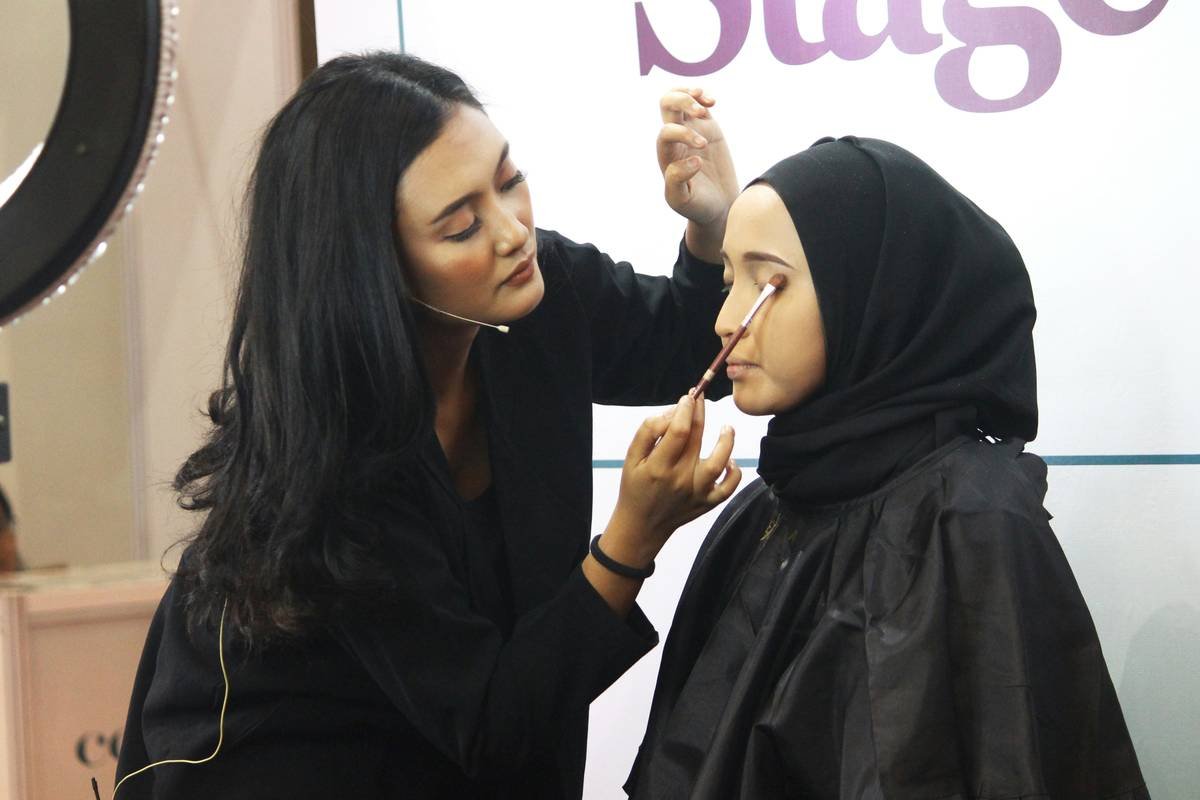
You’ve rehearsed your lines, memorized your blocking—but when you step under stage lights, your face disappears. Flat. Washed out. Unreadable from the third row. That’s the brutal reality of amateur theater: great acting drowned by weak makeup. Stage makeup for amateurs isn’t about glamor—it’s visual survival. And the fix doesn’t require a Hollywood kit or a degree from an FX school.
Why Drugstore Foundations Fail Under Stage Lights
Most beginners grab their everyday concealer and call it a day. Big mistake. Stage lighting is merciless—it obliterates subtle contours and flattens skin tones into ghostly blobs. Standard liquid foundations? They vanish. Worse, they oxidize under hot lamps, turning orange or gray mid-performance.
And blending too softly—yes, that “natural” look you love on Instagram—is suicide on stage. From 20 feet away, soft edges read as smudges. The audience sees confusion, not character.
Step-by-Step Guide to Stage-Ready Prosthetic-Inspired Looks (Without Silicone)
You don’t need full latex appliances to create dimension. Strategic layering with accessible products mimics professional depth—fast.
Map Your Bone Structure Like a Sculptor
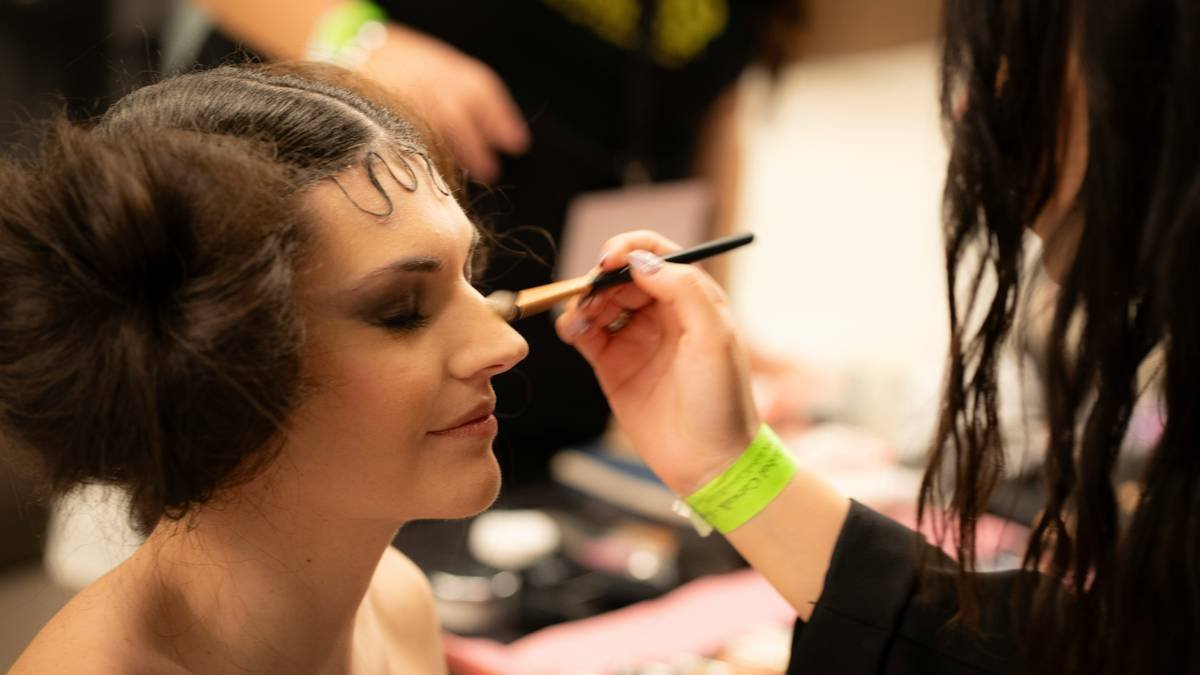
Forget contouring for selfies. On stage, you exaggerate planes—not cheeks. Use a cool-toned matte brown (not orange!) two shades darker than your skin to carve hollows under cheekbones, jawline, and temples. Blend upward only where shadow naturally falls. Keep edges crisp near the hairline—softness reads as dirt from afar.
Highlight Where Light Hits—Not Where You Think It Should
Stage light comes from above. So highlight forehead center, nose bridge, chin tip, and upper cheekbones—not Cupid’s bow or brow bone. A cream-based highlighter (avoid glitter!) catches light without sliding off under sweat.
Seal With Powder—But Not Just Any Powder
Translucent powders scatter light and create a chalky haze. Instead, use a tinted setting powder that matches your foundation. Press—don’t dust—it onto T-zone with a velour puff. This locks pigment while maintaining skin-like texture.
| Technique | Budget-Friendly Tool | Pro Result? | Time Required |
|---|---|---|---|
| Contouring with Cream Stick | $8 drugstore contour stick | Yes—if applied with sponge edge, not fingers | 4 minutes |
| Setting with Translucent Powder | Free sample from Sephora | No—creates flat, ashy finish | 2 minutes |
| Highlighting Chin & Brow | Shimmery eyeshadow | No—wrong placement; distracts from eyes | 1 minute |
| Tinted Setting Powder Press | $12 pressed powder matching foundation | Yes—locks without muting dimension | 90 seconds |
The Industry Secret: Pros Don’t “Do More”—They Do Less, But Smarter
Here’s what no one tells volunteers in community theater: seasoned makeup artists working on Broadway or regional tours often use fewer products than beginners. Why? Because over-application causes cracking, migration, and muddiness under heat. The real pro move? Precision over quantity. One perfectly placed line of eyeliner extending 2mm past the outer corner reads clearer than three layers of smudged kohl. A single swipe of matte red on lips—blotted, then reapplied—lasts longer and photographs truer than glossy layers that bleed into fine lines. The math is simple: less product + sharper edges = higher legibility. Stop piling on. Start editing.
FAQ
Can I use regular foundation for stage makeup?
No. Regular foundations lack opacity and fade under hot lights. Use oil-free, high-pigment theatrical bases or buildable cream makeup specifically labeled for performance.
How dark should my stage contour be?
Two to three shades deeper than your skin tone—but always cool or neutral-based. Warm tones read as dirt or bruising under white lights.
Do I need special brushes for stage makeup?
Not necessarily. A dense angled sponge for contour and a small flat synthetic brush for highlight are enough. Clean them between acts to avoid muddy buildup.