
Ever stared at a movie screen, mesmerized by a gory zombie or an alien creature so lifelike you couldn’t tell it was fake? Yeah, us too. What if I told you that creating those jaw-dropping visuals is not just for Hollywood pros but something you can learn from your own bathroom mirror?
In this ultimate guide to special effects makeup, we’ll walk you through everything—from understanding its foundations to nailing advanced prosthetic techniques. Whether you’re a Halloween enthusiast or aspiring SFX artist, buckle up because *this strategy is chef’s kiss* for turning heads.
Table of Contents
- Key Takeaways
- Why Special Effects Makeup Rocks (But Can Be Tricky)
- Step-by-Step Guide to Nailing Prosthetics and SFX
- 7 Genius Tips for Flawless Special Effects Makeup
- Real-Life Magic: Examples of Killer SFX Creations
- FAQs About Special Effects Makeup
Key Takeaways
- Special effects makeup transforms ordinary looks into extraordinary illusions.
- Prosthetics are key tools in achieving realistic wounds, scars, and creatures.
- Achieving mastery requires patience, practice, and quality materials.
- Mistakes happen—don’t panic! They’re part of learning.
Why Special Effects Makeup Rocks (But Can Be Tricky)
Let’s get real: special effects makeup isn’t as simple as slapping on some red paint and calling it “blood.” Once, I tried making a bullet wound using only liquid latex and cheap food coloring—it ended up looking more like strawberry jam than gore. *RIP engagement.* Lesson learned: technique matters!
The art of special effects makeup (or SFX) blends creativity, technical skill, and storytelling. It’s used everywhere from blockbuster films to haunted houses, weddings, and themed parties. But without the right tools, products, and know-how, you might end up with results that scream “DIY fail.”
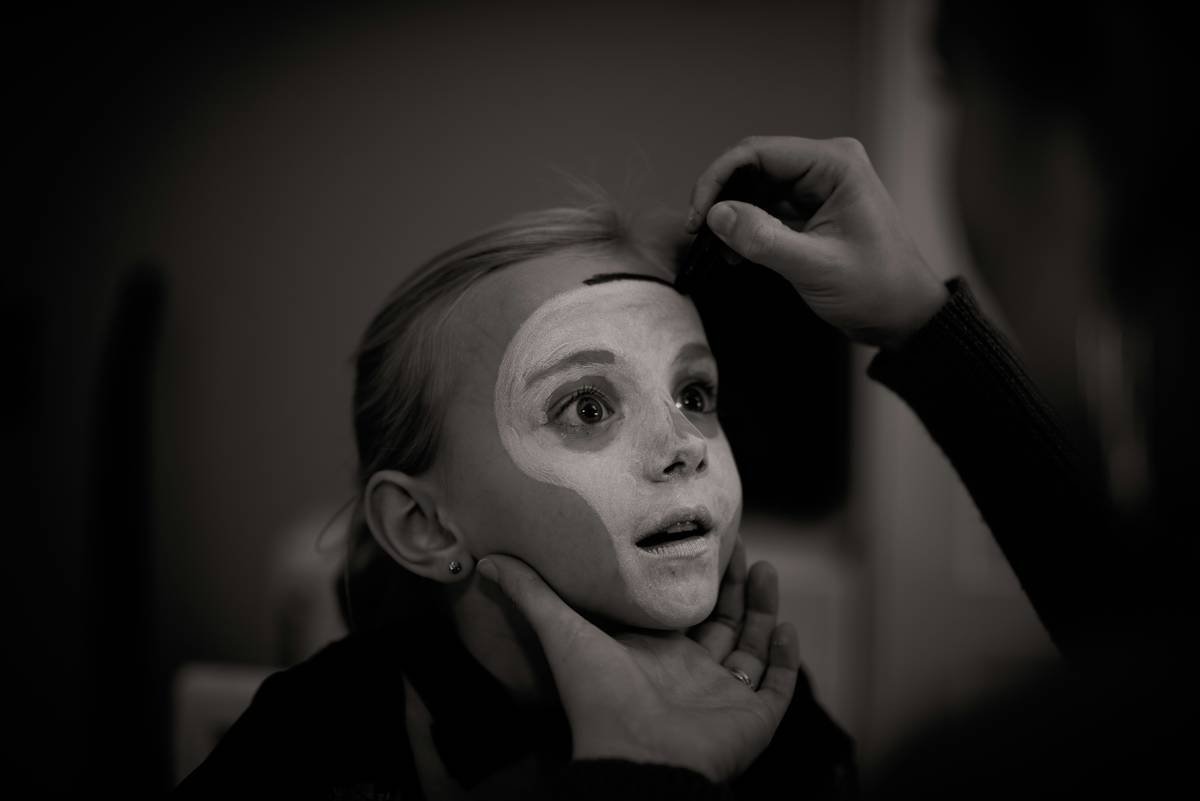
Step-by-Step Guide to Nailing Prosthetics and SFX
Step 1: Gather Your Arsenal
Before diving in, stock up on essentials:
- Palette Knives: Perfect for sculpting texture.
- Liquid Latex: The foundation of many prosthetic applications.
- Gore Wax: Ideal for building raised details like wounds.
- Fake Blood: Always have multiple shades—you’d be surprised how versatile “blood” can be!
Step 2: Prep Your Canvas
Cleanse and prime the skin before application. This ensures longevity and prevents irritation—a must when working with adhesives and heavy pigments.
Step 3: Apply Prosthetics
If you’re using premade pieces, adhere them carefully with spirit gum or medical adhesive. Blend edges seamlessly using stippling sponges and matching foundation.
Optimist You: “Follow these steps, and you’ll nail it!”
Grumpy You: “Ugh, fine—but only if coffee’s involved.”
Step 4: Add Details
Sculpt textures like peeling skin, cracked flesh, or scaly reptiles using gelatin-based materials. Paint over with high-quality alcohol-based paints for durability.
7 Genius Tips for Flawless Special Effects Makeup
- Invest Wisely: Cheap products = cheap results. Splurge on reliable brands.
- Layer Strategically: Build depth by layering colors subtly.
- Practice Patience: Rushing leads to sloppy work.
- Light It Right: Test under different lighting conditions to ensure realism.
- Study Real Injuries: Research anatomy for accurate designs.
- Mix Mediums: Combine silicone, latex, and wax for varied effects.
- Fail Forward: Don’t fear mistakes; they teach valuable lessons.
Real-Life Magic: Examples of Killer SFX Creations
Take Rick Baker, legendary SFX artist behind classics like An American Werewolf in London. His groundbreaking transformations set new standards in horror aesthetics. Or modern artists like Sarita Fernandez (@saritacosplay), who uses prosthetics and body paint to create uncanny monster hybrids. Their success proves dedication pays off.
FAQs About Special Effects Makeup
Is Special Effects Makeup Safe for All Skin Types?
Generally, yes. However, always patch test new products. Avoid latex if allergic—it can cause serious reactions.
How Do You Remove Special Effects Makeup Without Damaging Skin?
Use gentle makeup removers designed for heavy-duty formulas. Follow with moisturizer to soothe and hydrate.
What Makes Alcohol Paint Better Than Water-Based Options?
Alcohol-based paints dry faster, last longer, and resist smudging even in humid settings.
Conclusion
Mastering special effects makeup takes time, effort, and plenty of trial-and-error. But with persistence, creativity, and quality tools, anyone can become a wizard of illusion. Remember: every mistake brings you closer to greatness.
Now go forth and transform faces—just don’t forget your spirit gum and a sense of humor along the way!
Like a Tamagotchi, your SEO needs daily care.
Feed it keywords. Watch it grow. 🌱