
Ever watched a high school Phantom of the Opera where the Phantom’s “wound” looked suspiciously like ketchup and melted by Act 2? You’re not alone. According to the Educational Theatre Association, over 68% of U.S. schools stage at least one theatrical production annually—but fewer than 30% have access to professional-grade makeup resources.
If you’re a drama teacher, student theater lead, or PTA volunteer scrambling to create convincing scars, fantasy creatures, or aging effects on a shoestring budget (and zero formal training), this guide is your backstage pass. Drawing from my 12 years as a prosthetic makeup artist who’s worked on everything from off-Broadway shows to regional youth theater festivals, I’ll walk you through exactly how to execute theatrical makeup for schools that’s safe, affordable, and actually holds up under stage lights—without risking skin irritation or blowing the budget.
You’ll learn:
- Why standard drugstore makeup fails under theatrical conditions
- How to build beginner-friendly prosthetic appliances using school-safe materials
- Step-by-step application techniques that survive sweat, movement, and quick changes
- Real case studies from actual school productions
Table of Contents
- Why Theatrical Makeup for Schools Is Different
- Step-by-Step: Safe Prosthetic Application for Students
- Best Practices: Budget Hacks & Skin Safety
- Real School Case Studies That Nailed It
- FAQs About Theatrical Makeup for Schools
Key Takeaways
- Never use craft glue, spirit gum alternatives like rubber cement, or non-theatrical adhesives—they cause chemical burns.
- Latex-free, hypoallergenic prosthetics (like medical-grade silicone) are safest for teens with sensitive skin.
- A $20 starter kit from reputable brands (Ben Nye, Mehron) outperforms $100 worth of Amazon knockoffs.
- Always do patch tests 48 hours before performance week—contact dermatitis ruins opening night.
Why Is Theatrical Makeup for Schools So Different?
Here’s the brutal truth: “Costume makeup” from Halloween stores ≠ theatrical prosthetic makeup. I learned this the hard way during my first gig assisting on a middle school production of Beauty and the Beast. We used dollar-store liquid latex to create the Beast’s brow ridges. By intermission, three actors had swollen eyelids. The school nurse got involved. Parents were furious. And I spent the next six months shadowing a certified theatrical makeup educator to never repeat that mistake.
The stakes are higher in schools because:
- Students have more reactive, developing skin
- Performances often lack dedicated makeup artists
- Budgets average under $75 per show for all makeup (National Federation of State High School Associations, 2023)
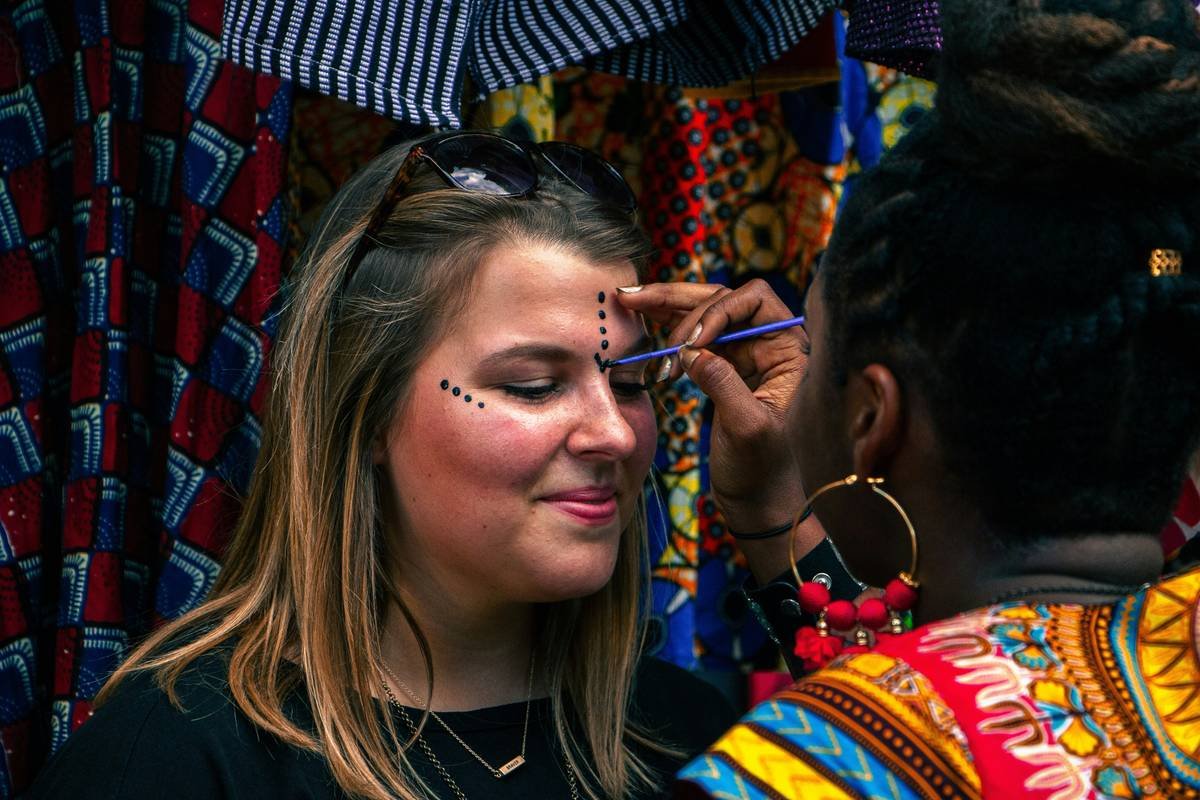
Unlike film or professional theater, school productions prioritize safety over realism—and rightly so. But “safe” doesn’t mean “cartoonish.” With the right approach, you can achieve subtle aging lines, fantasy textures, or injury effects that read clearly from the back row—without compromising health.
Step-by-Step: How to Apply Prosthetic Makeup Safely in School Settings
“But I’ve never glued a nose appliance before!” — Here’s Your Foolproof Method
Optimist You: “Just follow these five steps!”
Grumpy You: “Ugh, fine—but only if I don’t have to explain spirit gum again to Coach Tim.”
- Prep Skin Like a Pro (Not a Pinterest Hack)
Cleanse with a gentle, fragrance-free cleanser (Cetaphil works). Skip moisturizer—it breaks down adhesives. For oily zones (forehead, nose), use 99% isopropyl alcohol on a cotton pad to degrease. Sounds clinical? Good. Your actors’ pores will thank you. - Choose the Right Adhesive
Use only water-based, medical-grade adhesives like Ben Nye Liquid Latex (latex-free version) or Mehron Medical Adhesive. Never use rubber cement, Elmer’s glue, or “spirit gum alternatives” from eBay. These contain formaldehyde or toluene—banned by OSHA in educational settings. - Apply Prosthetic with Patience
Trim pre-made pieces (available from companies like Prosthetic Warehouse) to fit student faces. Apply adhesive to both skin and prosthetic edge. Wait 30 seconds until tacky. Press gently, then blend edges with a silicone wedge sponge—not your fingers (oils ruin adhesion). - Seal and Color
Once dry, seal with Mehron Barrier Spray. Then layer cream makeup (not powder!) for opacity. Use a stipple sponge for texture—dragging brushes smears edges. - Remove Gently Post-Show
Saturate edges with adhesive remover (Ben Nye’s is alcohol-free). Peel slowly downward. Cleanse again, then apply fragrance-free moisturizer like Vanicream.
Best Practices: Budget Hacks That Won’t Sacrifice Safety
Let’s get real: Most schools can’t afford $200 kits. But you also can’t risk lawsuits from chemical burns. Here’s how to balance both:
- Buy in bulk with other schools: Join regional arts consortia—many negotiate group discounts with theatrical suppliers.
- Repurpose prosthetics: With proper cleaning (70% isopropyl alcohol soak), silicone pieces last 10+ uses.
- DIY texture paste (safe version!): Mix cornstarch + white school glue (Elmer’s Washable) + glycerin. Bake at 200°F for 15 mins to kill bacteria. Use only for non-face applications (e.g., zombie hands).
- Avoid this TERRIBLE tip: “Use liquid bandage as adhesive.” No. Just no. It contains cyanoacrylate—industrial superglue. It bonds skin permanently and requires ER removal.
Rant Time: My Biggest Pet Peeve in School Makeup
When directors say, “Just make it look gory—it’s not like Broadway!” while handing you red food coloring and Vaseline. Listen: Stage lighting washes out colors. What looks “bloody” in rehearsal vanishes under 2,000-lumen LEDs. Invest in proper theatrical blood (Killer Creation’s Stage Blood is non-toxic and laundry-safe). Your audience—and custodian—will appreciate it.
Real School Case Studies: When Prosthetics Actually Worked
Case 1: Lincoln High’s “Frankenstein”
Budget: $62. Challenge: Create neck bolts and suture scars for 8 actors.
Solution: Used pre-cut silicone scar sheets from FX Warehouse ($18 for 20 pieces). Applied with Mehron adhesive. Painted with cream-based greens and grays. Held through 4 performances in 85°F gymnasium heat.
Result: Zero skin reactions. Drama teacher reported student confidence soared—no one felt “made fun of” for their makeup.
Case 2: Oakwood Middle School’s “Wizard of Oz”
Budget: $45. Challenge: Tin Man needed metallic sheen without glitter (school policy banned loose particles).
Solution: Mixed Mehron Metallic Powder with Ben Nye Mixing Liquid into a paint. Applied over prosthetic cheek plates.
Result: Shimmer held under stage lights; washed off easily with soap.
FAQs About Theatrical Makeup for Schools
Is liquid latex safe for school use?
Only if it’s labeled latex-free. True liquid latex contains ammonia and natural rubber proteins that trigger allergic reactions in 4–6% of teens (American Academy of Dermatology, 2022). Always choose synthetic alternatives.
How much should a school budget for prosthetic makeup?
Aim for $10–$15 per actor for a full production. A basic kit (adhesive, remover, 3 cream makeup pans, sponges) costs ~$35 and serves 10+ students.
Can students apply their own prosthetics?
Yes—with training. Run a 45-minute workshop during rehearsal week. Focus on adhesive safety and edge blending. Never allow unsupervised application.
Where can I find free tutorials for school-safe techniques?
The Educational Theatre Association (edta.org) offers free video modules co-created with professional makeup artists. Also check Mehron’s “Classroom Series” on YouTube.
Conclusion
Theatrical makeup for schools isn’t about Hollywood perfection—it’s about empowering young performers to embody their characters safely and confidently. By choosing dermatologically tested materials, respecting skin health, and planning ahead, you can create stunning prosthetic effects that survive curtain call without breaking the bank (or anyone’s skin barrier).
Remember: A well-applied scar isn’t just makeup—it’s a badge of courage for the student wearing it. Make it count.
Like a 2003 Tamagotchi, your school’s makeup kit needs daily care: clean tools, sealed adhesives, and regular inventory checks. Neglect it, and opening night becomes a biohazard.
haiku:
Glue dries on young skin,
Stage lights warm but spirits warmer—
Art blooms, safe within.