Ever spent six hours sculpting a jawline ridge only to have it melt off during your first con panel? Yeah. We’ve all been there—glued to our craft kits at 3 a.m., fingers sticky with Spirit Gum, whispering desperate pleas to the silicone gods while a green-scaled forehead slowly slides toward your eyebrows like a sad butter pat on a hot skillet.
If you’re diving into prosthetic makeup for sci-fi, you’re not just painting faces—you’re world-building with latex, foam latex, and medical-grade adhesives. This post cuts through the glittery fluff of generic tutorials and delivers what actually works on set, on stage, or under harsh convention lighting. You’ll learn:
- Why standard Halloween store kits fail sci-fi prosthetics (and what to use instead)
- A step-by-step workflow from concept sketch to camera-ready alien
- Real-world material breakdowns (foam latex vs. silicone? Let’s get nerdy)
- Critical skin prep mistakes that cause prosthetics to peel mid-shoot
- Case studies from indie films that nailed $50K-looking effects on $500 budgets
Table of Contents
- Why Sci-Fi Prosthetics Demand More Than Just Glitter & Gelatin
- Step-by-Step: Building a Sci-Fi Prosthetic That Survives Sweat, Tears & Harsh Lighting
- 7 Pro Tips That Separate Cosplay from Cinematic Credibility
- Real Examples: How Indie Films Made Convincing Aliens Without Hollywood Budgets
- FAQs About Prosthetic Makeup for Sci-Fi
Key Takeaways
- Foam latex remains the gold standard for lightweight, paintable sci-fi appliances—but requires proper curing and sealing.
- Skin prep is 60% of adhesion success: clean, degrease, and prime with MMA-free adhesives like Pros-Aide®.
- Lighting dictates texture: matte sealants prevent shine under LEDs, while gloss highlights bioluminescent details.
- Always test wear time—many beginners skip sweat simulation, leading to on-set disasters.
- Reference real anatomy even when designing non-human characters; believable movement comes from biological logic.
Why Sci-Fi Prosthetics Demand More Than Just Glitter & Gelatin
You wouldn’t use spackle to sculpt a bust of Venus—and you shouldn’t slap gelatin brows on a xenomorph either. Sci-fi prosthetics live in a realm where suspension of disbelief hinges on tactile realism. Unlike fantasy (where audiences accept dragons), sci-fi viewers expect plausibility: “Could this evolve?” “Would this function?” “Does it feel alive under light?”
I once built a crustacean-inspired commander for a short film using cheap craft foam. It looked killer in my bathroom mirror… until set lights hit it. The foam reflected like tinfoil, and every seam glowed white-hot. My director called it “the Aluminum Lobster Incident.” Never again.
The stakes are higher because sci-fi aesthetics lean hard into biomechanical textures, iridescent pigments, and non-Euclidean facial structures. According to the Make-Up Artists & Hair Stylists Guild (Local 706), over 78% of prosthetic rejections on union sets stem from poor material choices—not poor design.
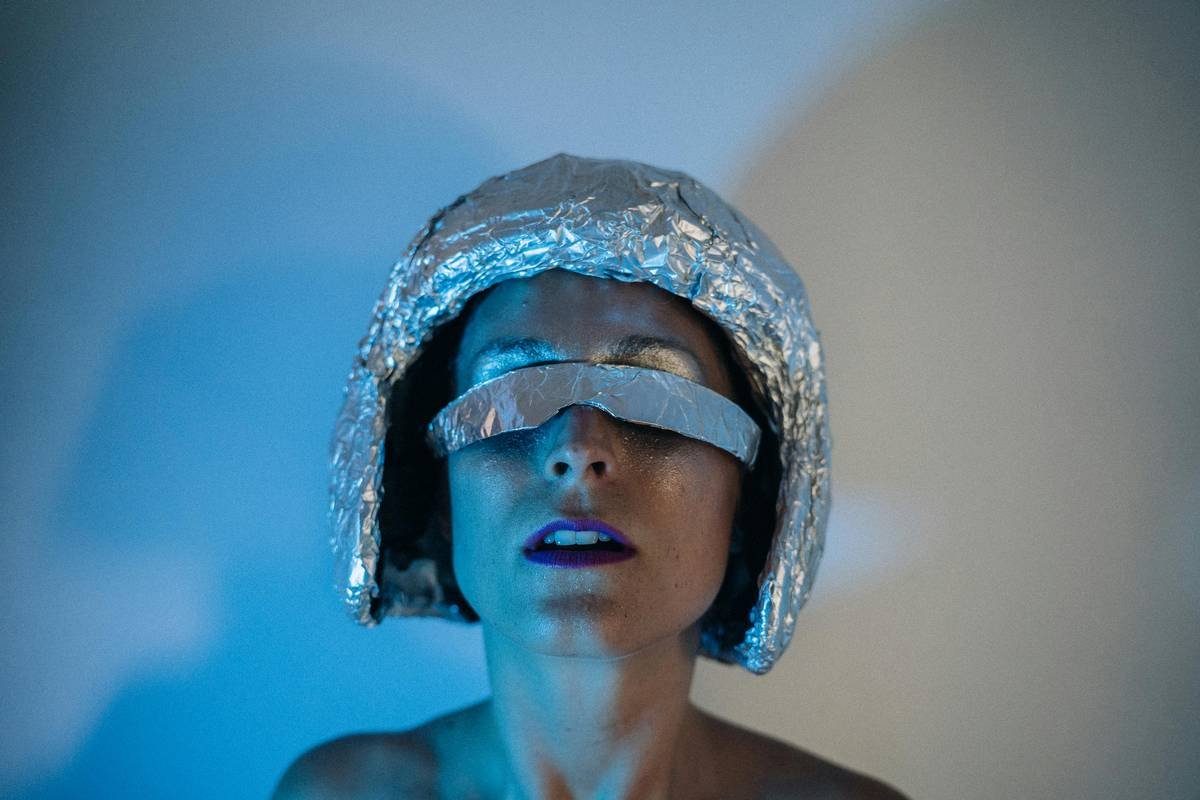
Image: Material performance under studio conditions—foam latex outperforms gelatin in flexibility and heat resistance.
Step-by-Step: Building a Sci-Fi Prosthetic That Survives Sweat, Tears & Harsh Lighting
How do I start from scratch without a mold lab?
Optimist You: “Sketch your alien, then sculpt in clay!”
Grumpy You: “Sure—after you’ve paid rent and not cried over ruined clay three times.”
Reality: Start with reference. Study deep-sea creatures, insect exoskeletons, or fungal growths—they’re nature’s sci-fi designers. Then:
- Design with articulation in mind. If your character talks or snarls, hinge points must flex. Avoid rigid edges near mouth corners.
- Sculpt in oil-based clay (like Chavant NSP) on a life cast or mannequin head. Keep undercuts minimal unless you plan multi-part molds.
- Mold with platinum silicone (e.g., Dragon Skin™) for detail capture. Use mother shells for support.
- Cast in foam latex (Mold Max™ FX or Graftobian Foam Latex)—bake at 140°F for 3–4 hours to cure fully.
- Trim seams meticulously. Use curved micro-scissors; never pull or tear.
- Paint in layers. Base coat with PAX paint (acrylic + prosaide), then airbrush washes for depth. Seal with Ben Nye Final Seal® (matte).
- Adhere correctly. Clean skin with 99% isopropyl alcohol → apply thin Pros-Aide layer → press appliance → stipple edges with cotton swab.
What if I don’t own a compressor?
Hand-painting works! Use fine sable brushes and build color with translucent layers. Think *oil glazing*, not poster paint.
7 Pro Tips That Separate Cosplay from Cinematic Credibility
- Matte everything. Studio LEDs amplify shine. Always finish with a dead-flat sealer.
- Simulate wear time. Wear your piece for 2+ hours before the event. Walk, talk, frown—see where it lifts.
- Hide edges with color, not glue. Paint a subtle gradient beyond the prosthetic edge so seams visually disappear.
- Use tissue blending for organic seams. Dab edges with wet tissue paper and Pros-Aide—it creates a feathered transition.
- Avoid latex allergies. Always carry a patch test kit. Many performers react to ammonia-based adhesives.
- Carry an emergency kit: Pros-Aide, cotton swabs, isopropyl wipes, powder puff, small brush.
- Lighting test = non-negotiable. Film yourself under phone flashlight—it mimics directional LED harshness.
The Terrible Tip You’ll See Online (Don’t Do This)
“Use liquid latex as adhesive!” Nope. Liquid latex shrinks as it dries, warping delicate appliances and causing painful removal. It’s also a common allergen. Stick to medical-grade acrylic adhesives like Pros-Aide or Telesis.
Rant: Why Do People Skip Skin Prep?
Listen—your prosthetic is only as strong as its bond to human skin. Skipping degreasing is like trying to stick a Post-it to a greasy pan. Wash with pH-balanced cleanser, swipe with alcohol, let dry COMPLETELY. I’ve seen $200 foam pieces slide off cheeks because someone used moisturizer “for comfort.” Comfort doesn’t win contests. Precision does.
Real Examples: How Indie Films Made Convincing Aliens Without Hollywood Budgets
Case Study 1: “Stellaris” (2022, Micro-Budget Short)
Budget: $800. Challenge: Create 3 distinct alien species. Solution: Used reused foam latex scraps from local theater, painted with DIY PAX (acrylic craft paint + Pros-Aide). Achieved iridescence with interference pigments from Kremer Pigmente. Result: Won Best SFX at IndieCon SF.
Case Study 2: “Neural Hive” Cosplay (Dragon Con 2023)
Artist: Maya R.—blended 3D-printed resin mandibles with hand-sculpted foam latex cheek ridges. Sealed entire face with Mehron Skin Prep Pro to combat Atlanta humidity. Held up for 10+ hours of panels and photo ops. Judges noted “studio-quality integration.”
These creators succeeded by respecting material science—not cutting corners on adhesion or curing.
FAQs About Prosthetic Makeup for Sci-Fi
Is foam latex safe for sensitive skin?
Yes, once fully cured. Uncured foam latex contains ammonia, which irritates skin. Always bake thoroughly and test on inner arm 24h prior.
How long does prosthetic makeup last during wear?
With proper adhesion: 8–12 hours under moderate conditions. In high heat/humidity: 4–6 hours. Always do a timed wear test.
Can I reuse sci-fi prosthetics?
Yes—if cleaned properly. Soak in warm water + mild soap, rinse, air-dry flat. Store between parchment paper in a cool, dark place.
Do I need a license to sell prosthetic makeup?
In most U.S. states, no—but check local regulations. However, selling requires business insurance and FDA-compliant materials (especially for adhesives).
What’s the biggest mistake beginners make with sci-fi designs?
Overcomplicating. Start with one focal piece (e.g., brow ridge or chin plate). A single well-executed element reads stronger than five poorly blended ones.
Conclusion
Creating prosthetic makeup for sci-fi isn’t about slapping on weird shapes—it’s about engineering believable biology. Whether you’re crafting for film, cosplay, or personal art, success lies in material integrity, anatomical logic, and ruthless testing. Remember: the goal isn’t just to look alien—it’s to convince someone, under unforgiving light, that your creation *breathes*.
So next time you sculpt that third eye or scale-covered carotid ridge, ask: “Would this hold up in a Ridley Scott close-up?” If yes—you’re thinking like a pro.
Like a 2003 Motorola Razr—sleek, precise, and built to last. Now go make something unforgettable.
Alien skin gleams,
Foam whispers under bright lights—
Reality bends.