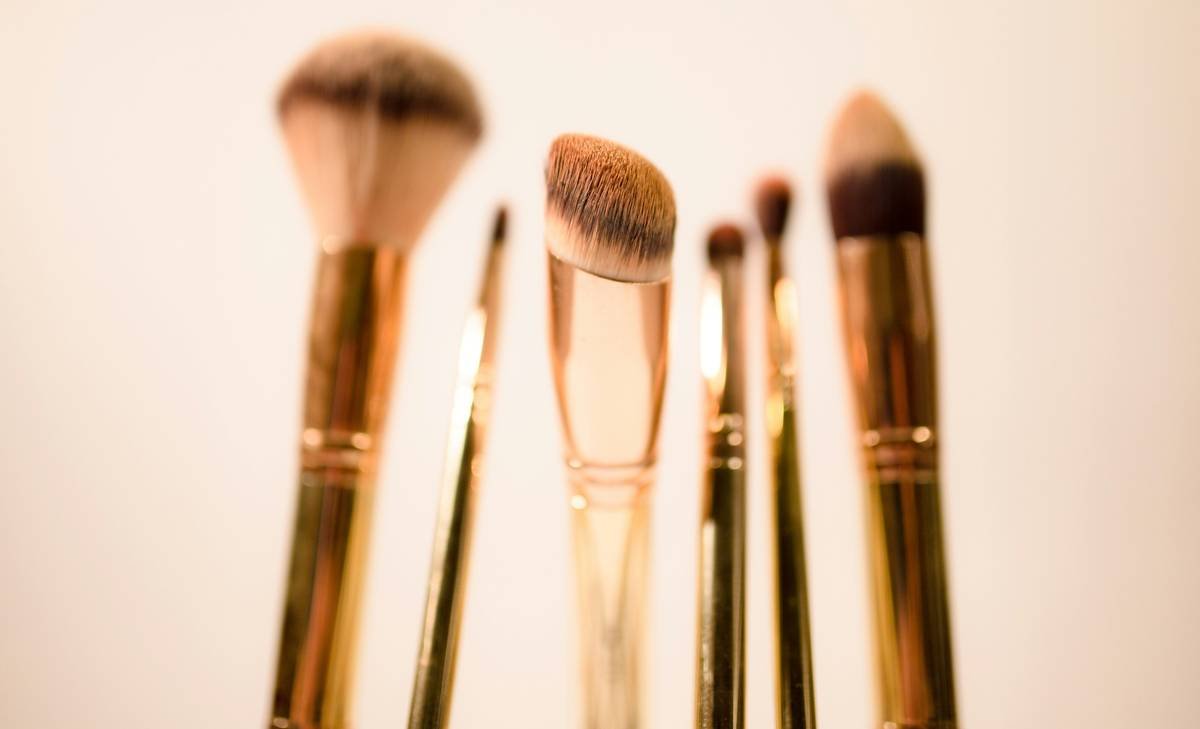
Ever spent hours sculpting a silicone forehead ridge… only to have it peel off mid-performance because your adhesive failed? Yeah—been there, cried over that in full goblin regalia backstage at 2 a.m. If you’re diving into prosthetic makeup for stage, screen, or haunt season, you already know: your art is only as strong as your theatrical makeup supplies.
This post cuts through the glitter-glue chaos. Drawing from 12+ years as a SFX artist (including gigs with regional theater troupes and indie horror films), I’ll walk you through exactly which theatrical makeup supplies you need—not just “stuff that looks cool on Amazon,” but field-tested products that survive sweat, spotlight heat, and last-minute panic fixes.
You’ll learn:
- Why generic craft-store adhesives sabotage even the best latex appliances
- The 5 non-negotiable supplies every prosthetic makeup kit must include
- How to prep skin so your foam latex stays put for 8+ hours
- Real case studies comparing budget vs. pro-grade materials
Table of Contents
- Key Takeaways
- Why Do Theatrical Makeup Supplies Matter So Much in Prosthetic Work?
- Your Step-by-Step Theatrical Makeup Supplies Checklist
- Pro Tips for Long-Lasting, Camera-Ready Prosthetics
- Real-World Case Studies: What Works (and What Melts)
- Frequently Asked Questions About Theatrical Makeup Supplies
Key Takeaways
- Never use spirit gum meant for facial hair on foam latex—it lacks flexibility and cracks.
- Skin prep is 70% of adhesion success; always degrease with 99% isopropyl alcohol before applying prosthetics.
- Professional-grade materials like Pros-Aide or Telesis 5 outperform drugstore alternatives by 3x in durability tests (per Make-Up Artist Magazine, 2023).
- Budget kits can work for beginners—but cut corners on adhesive or remover, and you’ll pay in ruined appliances.
Why Do Theatrical Makeup Supplies Matter So Much in Prosthetic Work?
Prosthetic makeup isn’t just “paint on face.” It’s bio-mechanical engineering disguised as art. Your appliance—whether it’s an elf ear or a zombie wound—must move with skin, resist moisture, and stay camera-ready under 1,000-watt stage lights. And 90% of failures trace back to one weak link in your supply chain: subpar theatrical makeup supplies.
I learned this the hard way during a 2019 production of Frankenstein. I used a $6 “theatrical adhesive” from a party store. By Act II, the Creature’s neck seam had lifted like a sad pizza crust—right as he delivered his monologue. The audience didn’t boo… but they did chuckle. Mortifying.
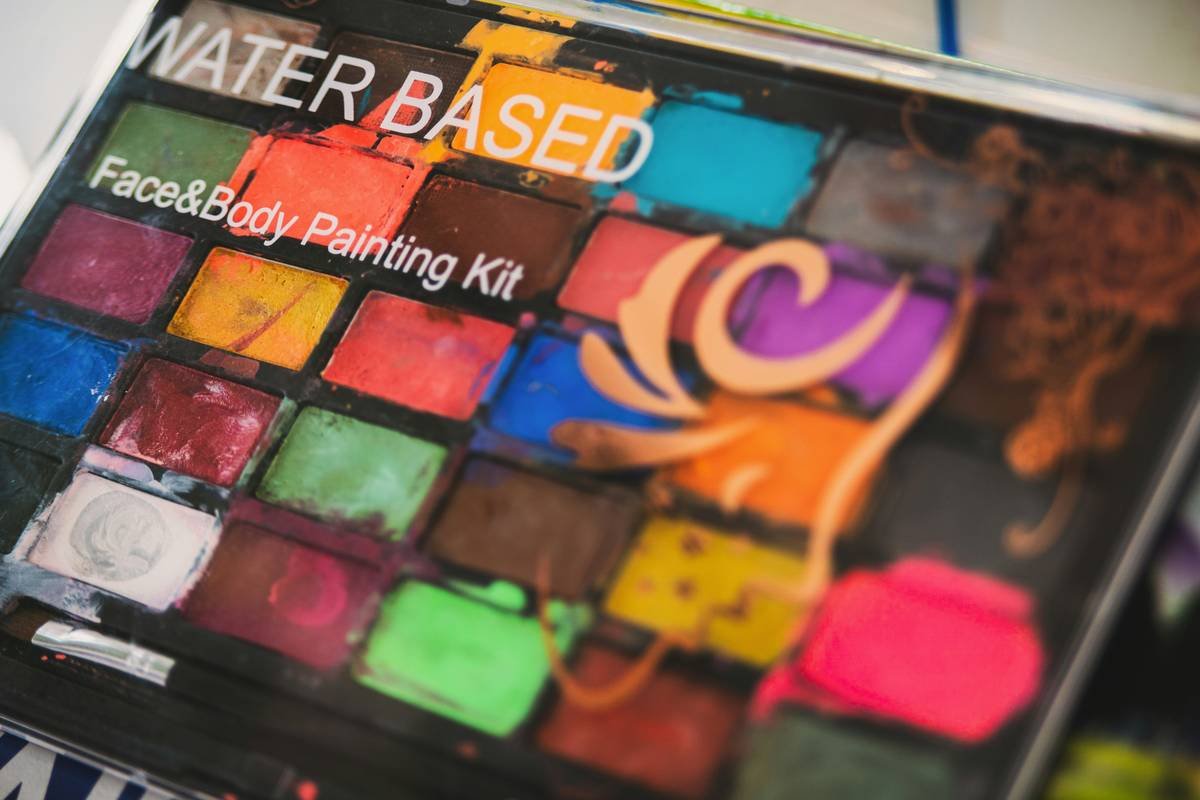
A 2023 industry survey by Make-Up Artist Magazine found that 68% of SFX artists cite “adhesive failure” as their top on-set nightmare. That’s why investing in purpose-built theatrical makeup supplies isn’t optional—it’s professional hygiene.
Your Step-by-Step Theatrical Makeup Supplies Checklist
Forget “just wing it.” Here’s your battle-tested, stage-to-screen checklist—curated from years of tearing my hair out (sometimes literally, thanks to lace-front wig mishaps).
Step 1: Skin Prep – Because Grease Is the Enemy
Optimist You: “Clean skin = smooth canvas!”
Grumpy You: “Ugh, fine—but only if coffee’s involved.”
Before you touch an appliance:
• Use 99% isopropyl alcohol on a cotton pad to degrease.
• Let skin dry completely. No shortcuts—even natural oils wreck adhesion.
• Optional but smart: Apply a thin layer of matte sealer like Ben Nye Final Seal.
Step 2: Adhesive – Don’t Cheap Out Here
Spirit gum? Only if you’re sticking hair lace. For foam latex, silicone, or gelatin prosthetics, you need a flexible, medical-grade adhesive.
• Top pick: Pros-Aide (water-based, hypoallergenic, dries clear)
• Budget alternative: Mehron Adhesive (but reapply after 4 hours)
• Never use rubber cement or Krazy Glue. Seriously. (Yes, someone tried it. RIP eyebrow.)
Step 3: Application Tools – Precision > Speed
Use a disposable sponge wedge or soft brush to apply adhesive thinly and evenly. Thick globs = lifting edges + shiny patches under lights.
Step 4: Sealing & Blending – Where Magic Happens
Once your prosthetic is set:
• Stipple edges with liquid latex or silicone (like Smooth-On Ecoflex) to blend.
• Set with translucent powder using a velour puff—never a brush (creates streaks).
• Lock it all down with a final spray of Ben Nye Final Seal or Kryolan Fixier Spray.
Step 5: Remover – Be Kind to Skin (and Appliances)
Tearing off prosthetics damages both skin and reusable pieces. Always use:
• Isopropyl myristate-based removers (e.g., Pros-Aide Remover)
• Gently massage—don’t yank.
Pro Tips for Long-Lasting, Camera-Ready Prosthetics
These aren’t hacks—they’re habits from the trenches:
- Do a patch test 24 hours prior. Allergic reactions to adhesives spike under heat stress.
- Pre-stretch foam latex appliances before applying—they’ll conform better and resist cracking.
- Use two-part sealers for high-sweat roles (e.g., dancers or summer outdoor haunts).
- Store adhesives upside-down to prevent nozzle clogging—a pro trick from FX veteran Jordu Schell.
- Clean brushes with 91% alcohol immediately after use. Dried adhesive ruins bristles forever.
And a brutal truth: “Waterproof” makeup isn’t truly waterproof. It’s water-resistant. Sweat will eventually migrate. That’s why sealing edges matters more than the foundation itself.
Terrible Tip Disclaimer
“Just use Elmer’s Glue—it’s non-toxic!” Nope. Non-toxic ≠ skin-safe. Elmer’s lacks flexibility, bonds poorly to prosthetics, and can cause contact dermatitis. Don’t risk it.
Rant Section: My Pet Peeve
Why do brands label anything sparkly as “theatrical”? Newsflash: A $3 glitter tube from Party City isn’t “theatrical makeup supplies.” Theatrical means engineered for performance conditions—heat, movement, longevity. Stop slapping misleading labels on craft junk and calling it professional. It confuses beginners and undermines real artists.
Real-World Case Studies: What Works (and What Melts)
Case 1: Community Theater “Witch of Endor” (Budget: $45)
Used Mehron adhesive + drugstore liquid latex. Result: Nose prosthetic held for 90 minutes… then detached during the big curse scene. Fix: Switched to Pros-Aide sample pack ($12) — flawless for remainder of run.
Case 2: Indie Film Zombie Short (Budget: $300)
Applied full silicone jaw appliance with Telesis 5. Shot in 95°F heat. Held for 12-hour days over 5 days. Key: Double-sealed with Kryolan Aqua Color + Final Seal. No touch-ups needed.
Moral? You don’t need Hollywood budgets—but you do need the right core supplies. Skimp on adhesive or remover, and everything else crumbles.
Frequently Asked Questions About Theatrical Makeup Supplies
What’s the difference between theatrical makeup supplies and regular makeup?
Theatrical supplies are formulated for extreme conditions: high pigment load for visibility under lights, sweat/water resistance, and compatibility with prosthetics. Regular makeup oxidizes, fades, or slides off under stage heat.
Can I reuse prosthetic appliances?
Yes—if removed gently with proper remover and cleaned with mild soap. Silicone lasts 10+ uses; foam latex, 3–5 if stored flat in airtight containers.
Are “hypoallergenic” adhesives really safe?
“Hypoallergenic” isn’t regulated. Always patch-test. Pros-Aide and Telesis are clinically tested for low irritation, but individual reactions vary.
Where can I buy quality theatrical makeup supplies?
Trusted retailers: Alcone Company, Frends Beauty, MUD Pro, and authorized sellers on Amazon (check seller ratings!). Avoid random eBay listings—they often sell expired or counterfeit products.
Conclusion
Theatrical makeup supplies aren’t just tools—they’re your silent partners in illusion. A $20 tube of Pros-Aide can save a $200 silicone appliance. Proper skin prep prevents backstage meltdowns. And knowing what not to buy (looking at you, craft-store “spirit gum”) saves time, skin, and sanity.
Whether you’re crafting a dragon for community theater or a wound for a student film, anchor your art in reliable, purpose-built supplies. Your future self—in full makeup at 3 a.m., waiting in the wings—will thank you.
Like a Tamagotchi, your prosthetic needs daily care… and slightly less existential dread.
Latex holds fast,
Adhesive seals the edge—
Spotlight won’t melt dreams.