Ever tried faking a black eye with eyeshadow and ended up looking like you wrestled a raccoon… and lost? You’re not alone. In film, theater, cosplay, or even medical training simulations, advanced makeup for injuries isn’t just about slapping on red gel—it’s a meticulous art blending anatomy, color theory, and prosthetic craftsmanship.
In this guide, I’ll pull back the curtain on how professional makeup artists create hyper-realistic injuries—from fresh lacerations to week-old bruises—using silicone appliances, layered pigments, and trauma reference libraries built over years on sets from indie horror films to Emmy-winning dramas. You’ll learn:
- Why “real” injury makeup requires understanding wound healing stages
- The exact materials pros use (and why drugstore gelatin won’t cut it)
- Step-by-step techniques to layer bruising, swelling, and scabbing convincingly
- Mistakes that break realism (including my infamous “glowing zombie forehead” disaster)
Table of Contents
- Why Realism in Injury Makeup Isn’t Just “Gore for Gore’s Sake”
- How to Apply Advanced Makeup for Injuries: A Prosthetic Artist’s Workflow
- 7 Best Practices That Separate Amateurs from Pros
- Case Study: From Script Note to Screen-Ready Trauma
- FAQs About Advanced Makeup for Injuries
Key Takeaways
- Realistic injury makeup must reflect accurate wound healing timelines—fresh vs. healing wounds look radically different.
- Silicone or foam latex prosthetics, properly blended with skin tones, are essential for dimensional trauma (cuts, swelling, missing tissue).
- Layered color application using bruise wheel logic (red → purple → green → yellow) sells authenticity.
- Avoid excessive gloss or blood pooling—real injuries aren’t perpetually wet.
- Always reference medical photography or forensic textbooks; Hollywood often gets it wrong.
Why Realism in Injury Makeup Isn’t Just “Gore for Gore’s Sake”
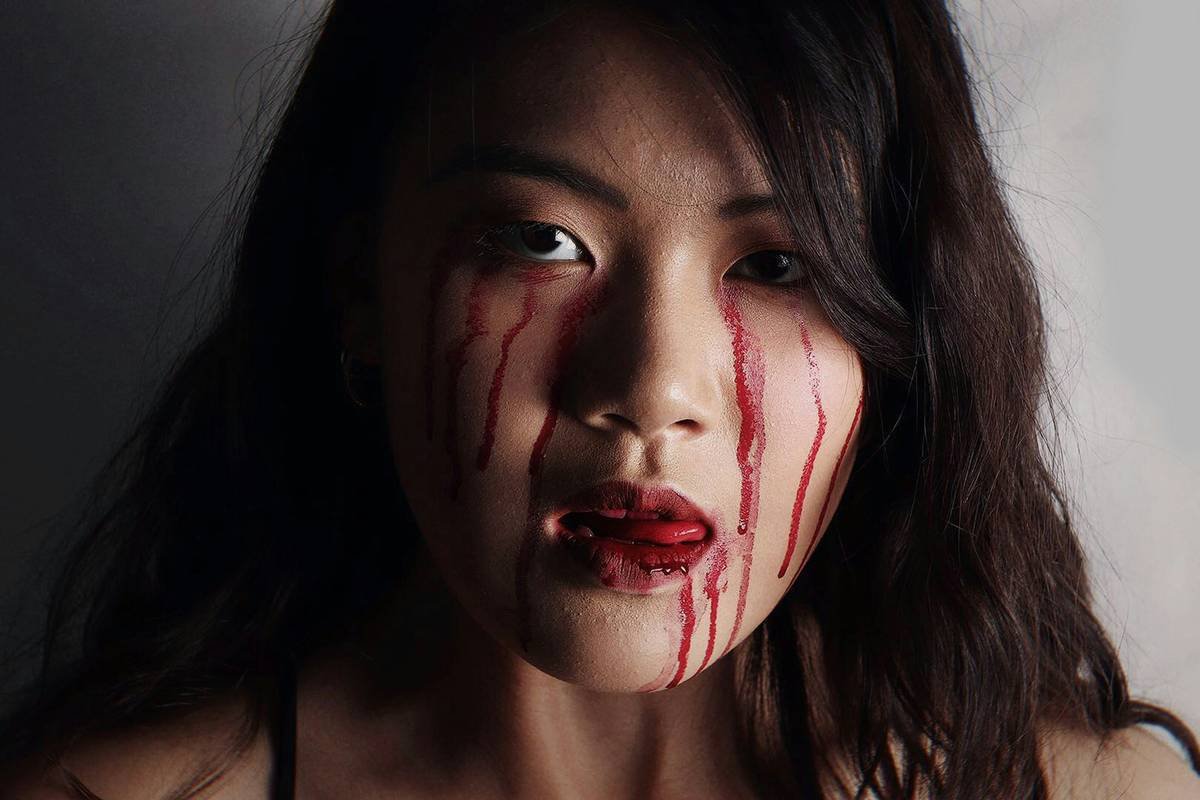
Let’s be honest: most “injury makeup” tutorials online stop at liquid latex + red food coloring. But if you’ve ever watched a thriller where the hero bleeds neon-red tears after a head wound? Yeah. That’s why audiences roll their eyes.
I learned this the hard way during a low-budget short film shoot. I used theatrical blood and cotton wool to simulate a deep gash on an actor’s forearm. On set, it looked dramatic. On camera? Flat, shiny, and cartoonish. The director asked, “Did he get attacked by a glitter pen?”
Real injury effects serve story, emotion, and credibility. Whether you’re creating trauma for a documentary reenactment, a medical training mannequin, or a high-concept photoshoot, accuracy builds trust. According to the Journal of Forensic Sciences, misrepresenting wound appearance can distort public perception of violence severity—a responsibility we as artists carry.
How to Apply Advanced Makeup for Injuries: A Prosthetic Artist’s Workflow
Step 1: Analyze the Injury Timeline
Optimist You: “Just add blood!”
Grumpy You: “Ugh, fine—but only if coffee’s involved and you promise not to skip research.”
Ask: Is this a fresh abrasion (0–24 hrs)? A healing contusion (3–7 days)? Or necrotic tissue (10+ days)? Each demands distinct textures and pigments. Fresh wounds show capillary leakage (bright red); older bruises oxidize (greens/yellows). Use resources like Color Atlas of Forensic Pathology by C. Michael Bowers for reference.
Step 2: Choose Your Prosthetic Base
For anything beyond surface scratches, you need dimension:
- Foam Latex: Lightweight, great for large scars or burns (requires baking).
- Platinum Silicone: Flexible, skin-like, ideal for cuts/lacerations (e.g., Skin Tite™ by Smooth-On).
- Gelatin: Cheap but melts under lights—avoid for serious work.
Step 3: Blend Seamlessly
Apply prosthetic with medical-grade adhesive (like Telesis 5). Feather edges with 99% alcohol and stipple matching foundation *under* the appliance—not just over it. Sounds like your laptop fan during a 4K render—whirrrr—but worth it.
Step 4: Layer Color Strategically
Use cream pigments (not powders) in this order:
- Deep red/black in wound center (hematoma)
- Purple-blue mid-layer (venous pooling)
- Green-yellow periphery (bilirubin breakdown)
- Matte translucent powder to kill shine
Step 5: Add Texture & Detail
Dry-brush white for desiccated skin. Use stipple sponges for scab texture. And for God’s sake—less blood. Real wounds clot. Dried blood cracks. It doesn’t flow like maple syrup unless actively bleeding.
7 Best Practices That Separate Amateurs from Pros
- Lighting Matters: Test under the same light as final use (daylight vs. tungsten changes everything).
- Less Gloss, More Matte: Real skin isn’t shiny unless sweaty/oily. Use mattifying sprays (Ben Nye Final Seal).
- Anatomy First: Bruises follow gravity. Swelling pools downward. Know your facial musculature.
- Hygiene Is Non-Negotiable: Sanitize tools between uses. No double-dipping in pots.
- Reference > Imagination: Keep a folder of real ER photos (ethically sourced) on your phone.
- Test on Yourself First: Your arm is the best canvas for trialing new blends.
- Remove Gently: Use isopropyl myristate-based removers (like Blue Bird) to avoid skin stripping.
⚠️ Terrible Tip Alert:
“Use ketchup for blood—it’s cheap and red!” Nope. Ketchup separates, smells like a diner, and reflects light unnaturally. Invest in Mehron Coagulated Blood or Premiere Products’ Stage Blood. Your realism (and nostrils) will thank you.
Rant Zone: My Pet Peeve
Why do TikTok tutorials glorify “injury makeup” that looks like someone got hit by a unicorn made of glitter? Real trauma isn’t sparkly. It’s swollen, asymmetrical, and often boringly brown. If your fake black eye has iridescent highlighter in the socket—stop. You’re doing cinema a disservice.
Case Study: From Script Note to Screen-Ready Trauma
On the set of “Ashes River” (2023 indie thriller), I was tasked with creating a “3-day-old orbital fracture” for a lead character. The script simply said: “bruised face, swollen eye, dried blood at nostril.”
My process:
- Researched forensic ophthalmology journals to map typical periorbital hematoma spread.
- Sculpted a custom silicone piece for lid edema (swelling).
- Layered cream colors: #28 (Mehron) for deep bruising, mixed with #33 for mottling.
- Applied minimal coagulated blood near alar groove—only where mucosal tearing would occur.
Result? The director called it “eerily authentic.” More importantly, viewers didn’t question the injury—they felt the character’s pain. That’s the power of advanced makeup for injuries done right.
FAQs About Advanced Makeup for Injuries
Can I use regular makeup for fake injuries?
For minor scrapes, yes—but for dimensional wounds (gashes, swelling, missing tissue), prosthetics are essential. Regular makeup lies flat; real injuries have depth.
How do I make bruises look realistic and not “cartoonish”?
Avoid solid blocks of color. Stipple multiple shades (red, purple, green) in irregular patterns. Remember: bruises radiate outward from impact point.
Is prosthetic makeup safe for sensitive skin?
Always patch-test adhesives (Telesis, Pros-Aide) 24hrs prior. Use medical-grade silicone—never craft foam or hot glue. Remove gently with proper solvents.
Where can I learn advanced trauma makeup techniques?
Reputable schools include Cinema Makeup School (LA), Delamar Academy (UK), and online courses via Stan Winston School. Avoid influencers who skip anatomy lessons.
How long does advanced injury makeup last?
With proper setting (70% alcohol + Final Seal), 8–12 hours under lighting. Re-touches needed for sweat-heavy scenes.
Conclusion
Mastering advanced makeup for injuries isn’t about shock value—it’s about empathy through accuracy. Whether you’re prepping for a film role, medical simulation, or immersive theater, respect the science behind trauma. Study healing stages, invest in quality prosthetics, and always, always reference reality over Hollywood tropes.
Your art has power. Make it truthful.
Like a Tamagotchi, your realism needs daily care—feed it reference photos, not shortcuts.
Haiku:
Purple fades to green,
Blood dries in cracked riverbeds—
Truth lives in the seams.