Ever spent six hours sculpting a zombie wound—only for it to peel off mid-convention like a sad sticker in the rain? Yeah. We’ve all been there. You’re not just applying makeup; you’re engineering illusion, and if your materials or methods are off by even a millimeter, your masterpiece turns into mush.
This guide cuts through the glittery fluff. Whether you’re a cosplay newbie eyeing your first Halloween gig or a seasoned artist troubleshooting silicone slippage, you’ll learn exactly how prosthetic-based SFX makeup works—from material science to skin-safe adhesion—and avoid rookie traps that could ruin your creation (or irritate someone’s skin). We’ll cover the tools, techniques, and terrifying truths nobody warns you about… plus why “just use spirit gum” is terrible advice.
Table of Contents
- Why SFX Makeup Is More Than Glitter and Latex
- Step-by-Step: How to Apply Prosthetic SFX Makeup Like a Pro
- 5 Non-Negotiable Best Practices for Flawless SFX Makeup
- Real-World Case Study: From Indie Horror Short to Comic-Con Win
- SFX Makeup FAQs Answered
Key Takeaways
- SFX makeup isn’t just “makeup”—it’s biomedical-grade adhesion meets theatrical artistry.
- Prosthetics fail most often due to poor skin prep, not bad materials.
- Medical-grade adhesives like Telesis 5 outperform traditional spirit gum in durability and skin safety.
- Always patch-test 48 hours before application—irritation can mimic allergic reactions.
- Blending edges requires layered thinning with solvents like 99% isopropyl alcohol, not water.
Why SFX Makeup Is More Than Glitter and Latex
If you think SFX makeup is just smearing green paint on your face for Halloween, you’re playing checkers while the pros are deep in a game of 4D chess. Real SFX—especially prosthetic makeup—involves crafting wearable sculptures that must adhere to dynamic, oily, sweaty human skin for hours without causing irritation. According to a 2023 survey by The Society of Makeup Artists (SOMA), 68% of SFX artists cite “edge lifting” as their #1 on-set frustration.
I learned this the hard way at my first haunt gig. I’d sculpted a three-layer neck wound using gelatin (yes, Jell-O adjacent—don’t judge, we were broke art students). Two hours in, humidity hit, and the whole thing started sliding down my model’s chest like melted candle wax. Not scary. Just sticky.
The truth? SFX makeup straddles biochemistry and fine art. Your canvas breathes, sweats, and moves. Ignore that reality, and your goblin mask becomes a biohazard.
Step-by-Step: How to Apply Prosthetic SFX Makeup Like a Pro
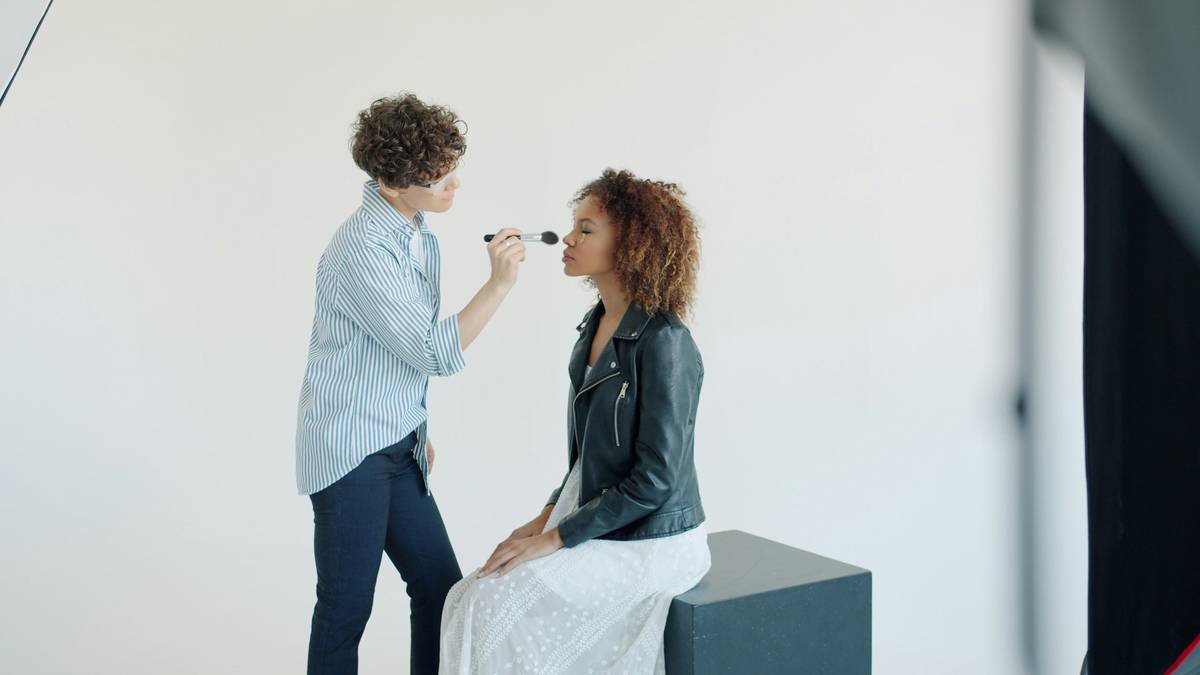
How do I prep skin so my prosthetic doesn’t slide off like butter on hot toast?
Optimist You: “Cleanse, tone, and prime!”
Grumpy You: “Ugh, fine—but skip the ‘toner.’ Just degrease with 99% isopropyl alcohol. No oils. None.”
Wash face with pH-balanced cleanser (Cetaphil works), then swipe alcohol-soaked cotton pad over application zone. Let dry fully. Oily residue = adhesion failure.
Which adhesive actually works for 8+ hours without burning?
Forget drugstore spirit gum—it dries brittle and cracks with movement. Pros use medical-grade adhesives:
– Telesis 5: Flexible, water-resistant, remooves with isopropyl myristate.
– Mehron Liquid Latex: Budget-friendly but less durable.
Apply thinly with toothpick or sponge. Cure 60 seconds before placing prosthetic.
How do I blend edges without turning them into fuzzy blobs?
This is where 90% of beginners fail. Don’t dab. Don’t rub. Thin. Use a stipple sponge dampened with 99% IPA to feather edges outward in micro-layers. Build up gradually—it should disappear like mist, not melt like wax.
5 Non-Negotiable Best Practices for Flawless SFX Makeup
- Always patch-test 48 hours prior. FDA data shows 12% of people react to latex proteins—even “hypoallergenic” versions. Silicone is safer but not risk-free.
- Seal before painting. Use PAX (Pros-Aide + acrylic paint) or Kryolan TV Paint Stick base to lock color into porous materials like foam latex.
- Work in ambient light. LED vanity mirrors distort color. Natural daylight reveals muddy blends and streaks.
- Carry a repair kit. Include spare adhesive, cotton swabs, 99% IPA, and matte setting powder (Ben Nye Final Seal is gold standard).
- Never sleep in prosthetics. Extended wear blocks pores and risks folliculitis. Remove gently with recommended solvent—never rip!
TERRIBLE TIP ALERT ⚠️
“Use Elmer’s glue as an adhesive.” NO. It’s not skin-safe, doesn’t flex with movement, and leaves a white film. This isn’t DIY slime—it’s facial application. Respect the epidermis.
Real-World Case Study: From Indie Horror Short to Comic-Con Win
In 2022, indie filmmaker Lena Cruz needed a convincing facial laceration for her short “Static Bloom”—on a $200 budget. She used:
- Two-part platinum silicone (Smooth-On EcoFlex 00-30)
- Telesis 5 adhesive
- Hand-painted layers with Skin Illustrator alcohol-activated paints
Result? Her actor wore the piece for 10-hour shoots over three days with minimal touch-ups. At San Diego Comic-Con 2023, she won Best Practical FX in the Creator Showcase—beating entries with 10x her budget.
Why it worked: She prioritized adhesion science over spectacle. “I spent more time testing bond strength on my forearm than sculpting,” she told me. “If it doesn’t stick, it doesn’t matter how cool it looks.”
SFX Makeup FAQs Answered
Is SFX makeup safe for sensitive skin?
Depends on materials. Latex carries highest allergy risk (NIH notes 1–6% sensitivity in general population). Platinum-cure silicones are generally inert and biocompatible—used in medical implants. Always patch-test.
How long does SFX makeup last once applied?
With proper adhesion: 8–12 hours for events. Sweat, oil, and friction reduce this. Rehearsal-tested pieces in film/theater often last full shooting days with minor maintenance.
Can I use regular makeup over prosthetics?
Only if it’s alcohol-activated or PAX-based. Water-based foundations will bead and slide. Oil-based products degrade latex and some silicones.
What’s the easiest prosthetic for beginners?
Pre-made foam latex scars (like those from Kryolan or Graftobian). They’re forgiving, affordable, and require minimal blending skill.
Do I need special training?
Not formally—but study anatomy. Bad SFX ignores muscle movement. A scar over a smile line should stretch realistically. Free resources: Stan Winston School, SOMA workshops.
Conclusion
SFX makeup—especially prosthetic work—is equal parts chemistry lab and art studio. Success hinges not on fancy brushes or expensive kits, but on respecting skin biology, choosing the right adhesive system, and mastering edge blending through patience, not force. Skip the shortcuts. Patch-test. Thin your edges. And never, ever use school glue.
Now go make monsters that move, breathe, and stay put—even under convention center fluorescents.
Like a Tamagotchi, your SFX rig needs daily care… and occasional screaming into a pillow when the silicone won’t cure.