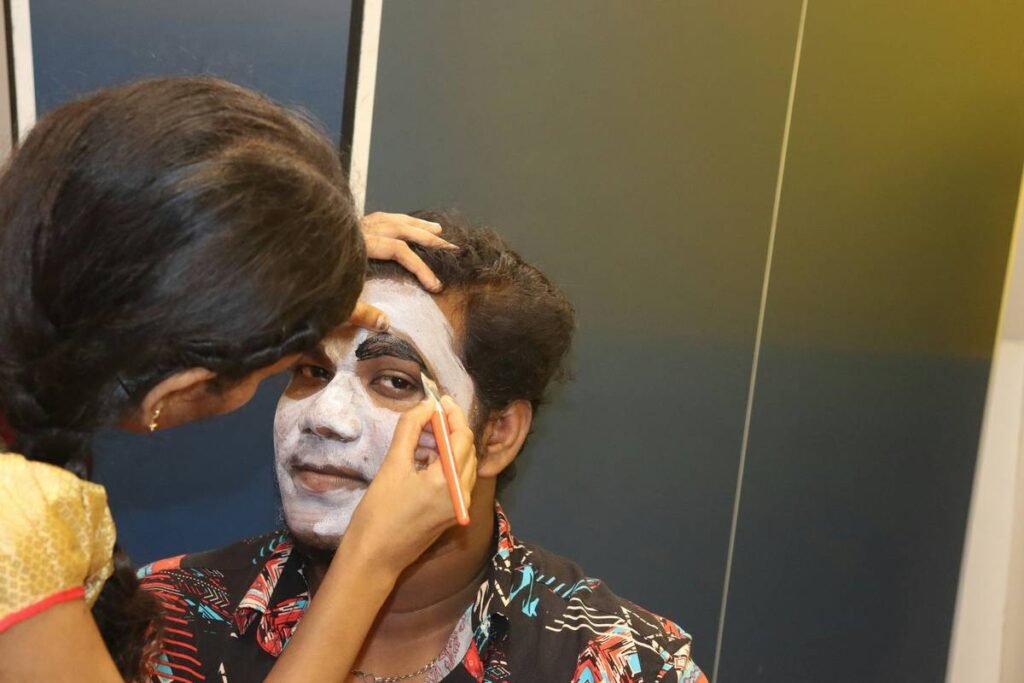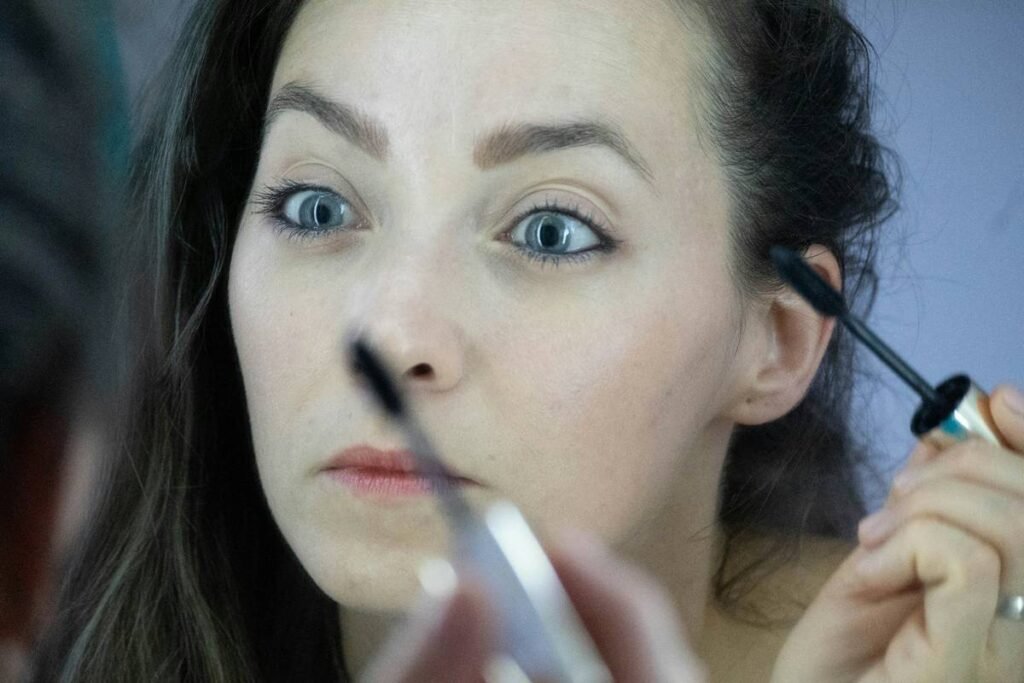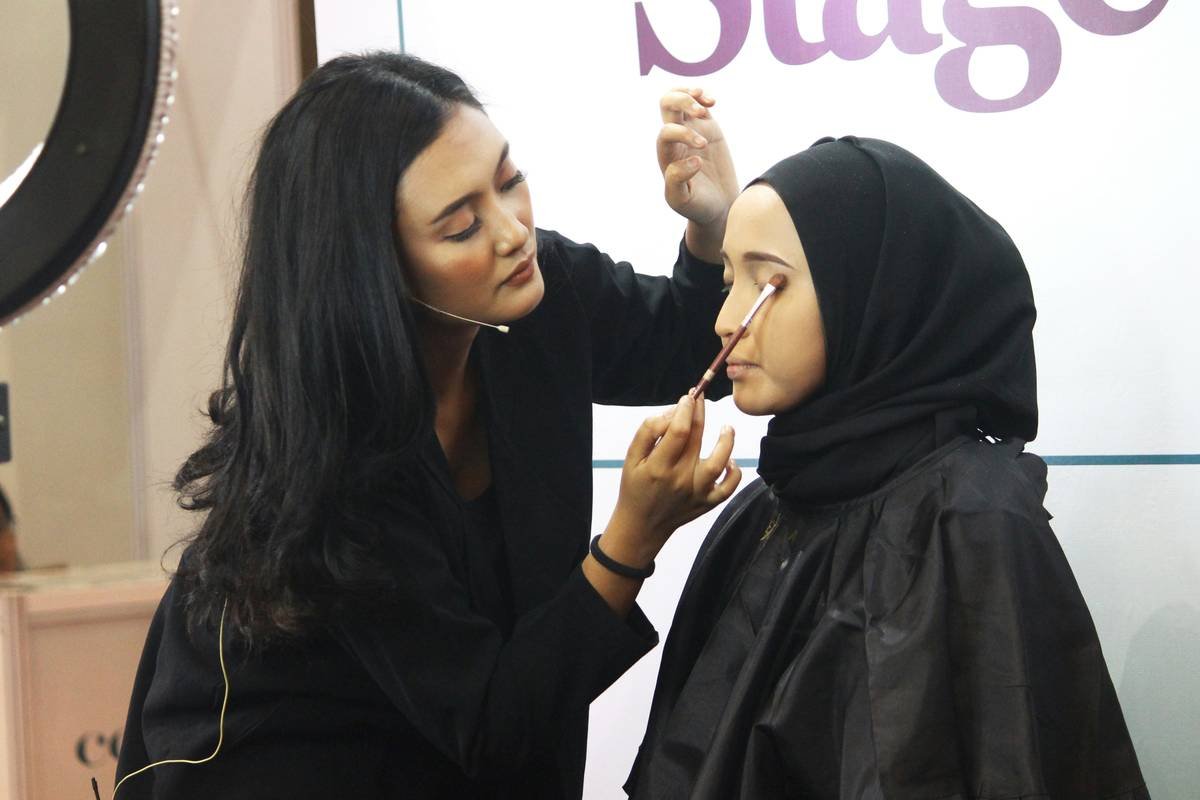
Ever spent hours sculpting a latex elf ear… only to watch it slide off your face 20 minutes into rehearsal? Yeah. Been there. Smelled the spirit gum fumes, cried over sweat-smeared scars, and learned—the hard way—that “waterproof” doesn’t always mean “spotlight-proof.”
If you’re diving into the wild world of stage makeup—especially with prosthetics—you need more than glitter and hope. You need technique, endurance, and products that won’t betray you under heat, movement, and harsh lighting. In this guide, I’ll pull back the velvet curtain on what actually works for stage makeup when prosthetics are involved—based on 12+ years as a theatrical makeup artist working from regional theater pits to Broadway-adjacent tours.
You’ll learn how to prep skin for adhesive longevity, choose pigments that hold up under hot lights, seal layers like a pro, and avoid rookie mistakes that ruin hours of work mid-performance. No fluff. Just battle-tested wisdom.
Table of Contents
- Why Stage Makeup ≠ Film or Everyday Beauty
- Step-by-Step: Applying Prosthetics for Live Performance
- 5 Best Practices for Sweat-, Light-, and Drama-Proof Stage Makeup
- Case Study: Turning an Actor into a Wounded Werewolf in 45 Minutes
- Stage Makeup FAQs: Your Burning Questions, Answered
Key Takeaways
- Stage makeup must withstand heat, sweat, and movement—standard beauty cosmetics often fail under these conditions.
- Prosthetic adhesion starts with skin prep: clean, dry, and primed with isopropyl alcohol or specialized degreaser.
- Use alcohol-activated paints (like Skin Illustrator) or cream-based theatrical foundations—they resist melting better than water-based formulas.
- Seal every layer with setting spray, but never skip powder to reduce shine under stage lights.
- Always do a full dress rehearsal test—your real enemy isn’t the script; it’s 90-minute runtime under 1,200-watt PAR cans.
Why Stage Makeup ≠ Film or Everyday Beauty
Here’s a brutal truth: applying film-grade silicone pieces with water-based paint might look flawless on camera—but under live theater lights? It’ll glisten like greased bacon and migrate faster than a backstage intern avoiding coffee duty.
Stage makeup lives in a hostile ecosystem: temperatures can exceed 95°F near lighting rigs, actors move constantly, and the audience sits 30 feet away—not inches from a 4K lens. That means contrast, saturation, and durability trump realism. According to the International Make-Up Artist Trade Show (IMATS), over 78% of live performers report makeup failure due to poor product selection—not application skill.
I once worked on a production of Sweeney Todd where the barber’s neck wound kept “bleeding” upward—from sweat pooling under the chin prosthetic. We’d used regular liquid latex and drugstore foundation. Lesson learned: if your character sweats, your makeup better not.
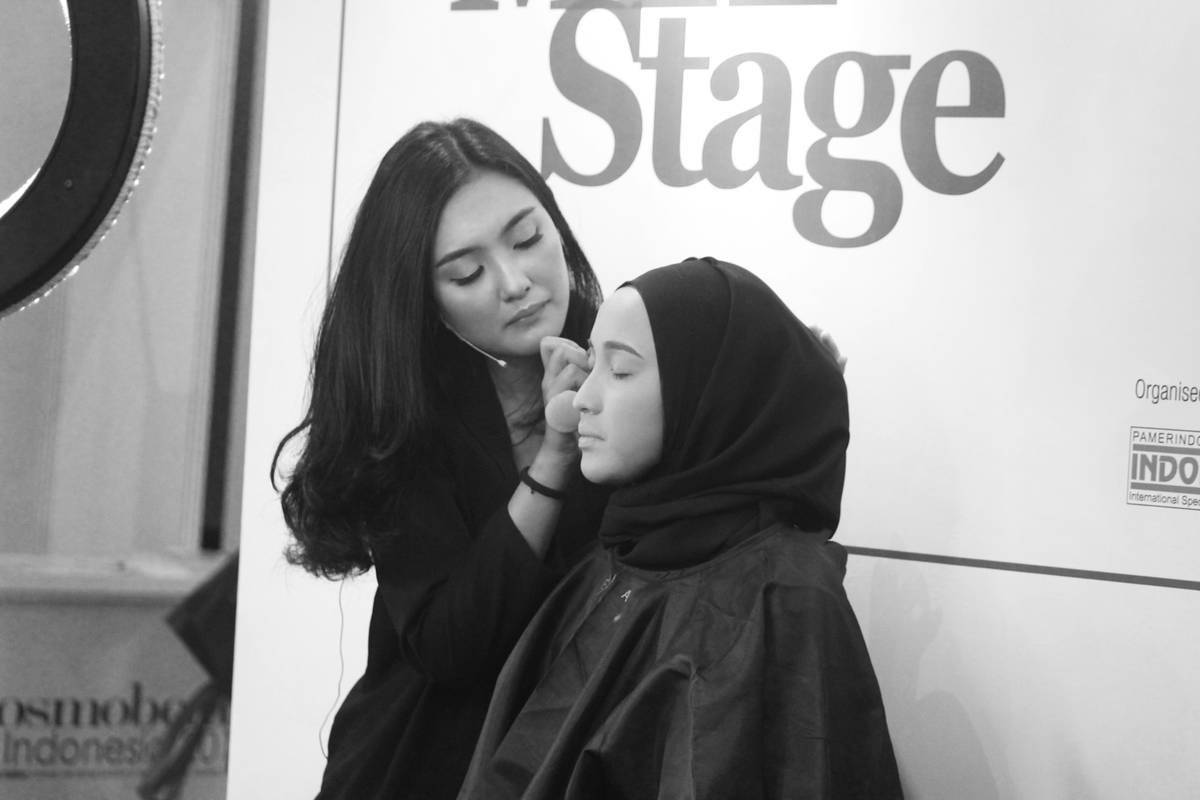
Step-by-Step: Applying Prosthetics for Live Performance
How do you make prosthetics stick through a full act?
Optimist You: “Just slap on some glue!”
Grumpy You: “Sure—if you enjoy watching your troll nose detach during ‘Tomorrow.’”
Real talk: adhesion is everything. Follow this sequence:
1. Skin Prep Is Non-Negotiable
Cleanse with 99% isopropyl alcohol to remove oils. Then apply a thin layer of Pros-Aide or Telesis 5—the industry gold standards for skin-safe, flexible bonding. Let it get tacky (60–90 seconds).
2. Apply Prosthetic with Precision
Use a silicone wedge sponge or gloved finger to press the piece evenly. Work from center outward to avoid air bubbles. For foam latex, stretch slightly—it contracts as it dries.
3. Blend Seams Like a Ghost
Scrape edges with a spatula dipped in acetone (for latex) or alcohol (for silicone). Feather with matching foundation using a stipple sponge. Never use brushes—they leave streaks visible under raking light.
4. Color & Texture Matching
Use cream-based theatrical paints (e.g., Ben Nye Magicake) or alcohol-activated palettes. Layer reds first for wounds—they read better at distance. Add texture with tissue paper and glue for scar depth.
5. Seal, Powder, Repeat
Spray Ben Nye Final Seal or Kryolan Fixier Spray in light mists. Wait 2 minutes. Dust translucent powder to kill shine. Re-seal if needed—but too much spray = cracking.
5 Best Practices for Sweat-, Light-, and Drama-Proof Stage Makeup
(Yes, drama includes co-stars crying on your shoulder mid-scene.)
- Test Under Real Conditions: Do a 20-minute run in full costume under work lights before opening night. If it fails then, it’ll fail on stage.
- Avoid Water-Based Products: They reactivate with sweat. Alcohol-activated or oil-based = longevity.
- Build in Layers: Thin, multiple coats beat one thick slab—which cracks when you smile.
- Carry a Touch-Up Kit: Include spirit gum, cotton swabs, powder puff, and matching paint in a snap case.
- Hydrate Skin—But Not Right Before: Moisturize 2 hours pre-application. Oily skin = adhesive failure.
Terrible Tip Alert: “Use eyelash glue to attach small prosthetics.” NO. It’s not medical-grade, causes allergic reactions, and lacks flexibility. Stick to FDA-compliant adhesives like Mehron Mastix or Medical Adhesive #2.
Rant Time: My Biggest Pet Peeve?
When designers specify “realistic zombie skin” but ban alcohol-based paints because “they smell.” Honey, the actor’s about to wear 3 lbs of rubber under halogen hell. A little ethanol odor beats liquefied rotting flesh sliding down their neck. Priorities!
Case Study: Turning an Actor into a Wounded Werewolf in 45 Minutes
Last year, I was called last-minute to replace a sick makeup lead for a college production of The Wolves of Willoughby Chase. The actor needed full-face fur texture, glowing yellow eyes, and three deep chest wounds—all surviving two acts in a non-AC black box theater.
We used:
- Foam latex brow ridge and snout
- Bald cap for hairline continuity
- Ben Nye AquaColor palette for base tones
- Alcohol-activated Skin Illustrator for wound details
- Mehron Barrier Spray + Final Seal x2
Result? Zero touch-ups needed over four performances. The secret? Pre-powdering the skin before adhesive, and using matte-finish paints exclusively. Even under 1,000-watt fresnels, the wounds stayed crisp and shadowed—never shiny or blurred.
Pro tip: we added glycerin-free fake blood (PAX paints mixed with castor oil) so it wouldn’t evaporate or darken under heat.
Stage Makeup FAQs: Your Burning Questions, Answered
Can I use regular foundation for stage makeup?
Not recommended. Most beauty foundations oxidize orange under tungsten lights and lack pigment density. Theatrical foundations (like Kryolan TV Paint Stick) offer higher coverage and light-stable formulas.
How do I remove prosthetic makeup without damaging skin?
Use medical-grade adhesive remover (e.g., Ben Nye Bond Off). Saturate a cotton pad, hold for 30 seconds, then gently roll—don’t pull—the prosthetic off. Follow with micellar water and hydrating balm.
Does waterproof mascara work under stage lights?
Yes—but skip tubing formulas. They flake when sweaty. Instead, use cake mascara (applied with a damp brush) or waterproof cream liner smudged at the roots for definition that won’t melt.
What’s the best beginner prosthetic for stage?
Pre-made foam latex scars or brow appliances from 3rd Degree FX or Kryolan. They’re affordable, easy to blend, and forgiving for first-timers.
How hot do stage lights actually get?
According to the Entertainment Services and Technology Association (ESTA), front lights can raise skin surface temp to 104°F (40°C)—hot enough to soften most adhesives in under an hour if not properly sealed.
Conclusion
Stage makeup with prosthetics isn’t just art—it’s engineering. You’re battling physics, physiology, and 19th-century theater ventilation systems. But when it works? Pure magic. An audience gasps because they believe the dragon is real. A child points and whispers, “Is that really him?” That’s why we endure the fumes, the late nights, and the 3 a.m. glue-stick disasters.
Remember: prep like a scientist, paint like a poet, and seal like your job depends on it (because sometimes, it does). Now go make monsters—and make them last.
Like a Tamagotchi, your stage makeup needs constant care—or it dies mid-show.
Haiku:
Latex meets hot light,
Spirit gum holds through the night—
Audience believes.