Ever spent two hours sculpting a zombie wound with silicone gel only to have it melt off by Act 2—looking less “undead warrior,” more “sweaty pancake”? Yeah. We’ve all been there. For actors, stage makeup isn’t just about looking the part—it’s armor against sweat, glare, and 3-hour run times. And if you’re diving into prosthetic or costume makeup? You’re playing 4D chess while everyone else is still learning checkers.
In this guide, you’ll learn how to choose the right products for theatrical durability, apply prosthetics like a Broadway FX artist, and avoid rookie mistakes that turn your transformation into tragedy. Whether you’re prepping for community theater or regional opera, this isn’t just makeup—it’s performance technology.
Table of Contents
- Why Stage Makeup Isn’t Just Heavy Foundation
- Step-by-Step: Prosthetic Application for the Stage
- 7 Best Practices for Long-Lasting Stage Makeup
- Real-World Case Study: Broadway Meets Budget
- FAQ: Stage Makeup for Actors
Key Takeaways
- Stage makeup must withstand heat, sweat, and distance—regular cosmetics fail under theatrical lighting.
- Prosthetic adhesion requires medical-grade adhesives (like Telesis 5) + proper skin prep, not spirit gum alone.
- Color theory matters: cool tones recede, warm tones advance—critical for facial contouring from 20+ feet away.
- Always do a full dress rehearsal test under actual stage lights—what looks “bold” backstage may vanish onstage.
- Hydration and barrier creams prevent skin damage during long-wear prosthetic use.
Why Stage Makeup Isn’t Just Heavy Foundation
If you think “stage makeup = foundation × 10,” stop right now. I learned this the hard way during a college production of Sweeney Todd. I used my everyday matte liquid foundation, layered on blush like war paint, and stepped under those tungsten PAR cans… only to realize my face looked like a blank sheet of parchment from the third row. Why? Because theatrical lighting flattens subtle tones and washes out everything not specifically engineered to reflect light at intensity.
Unlike film or photo makeup—which relies on HD precision—stage makeup operates under brutal conditions: temperatures can hit 90°F near spotlights, actors sweat buckets during dance numbers, and audiences view faces from 30+ feet away. That means every brushstroke must be *intentional*, *pigmented*, and *anchored*.
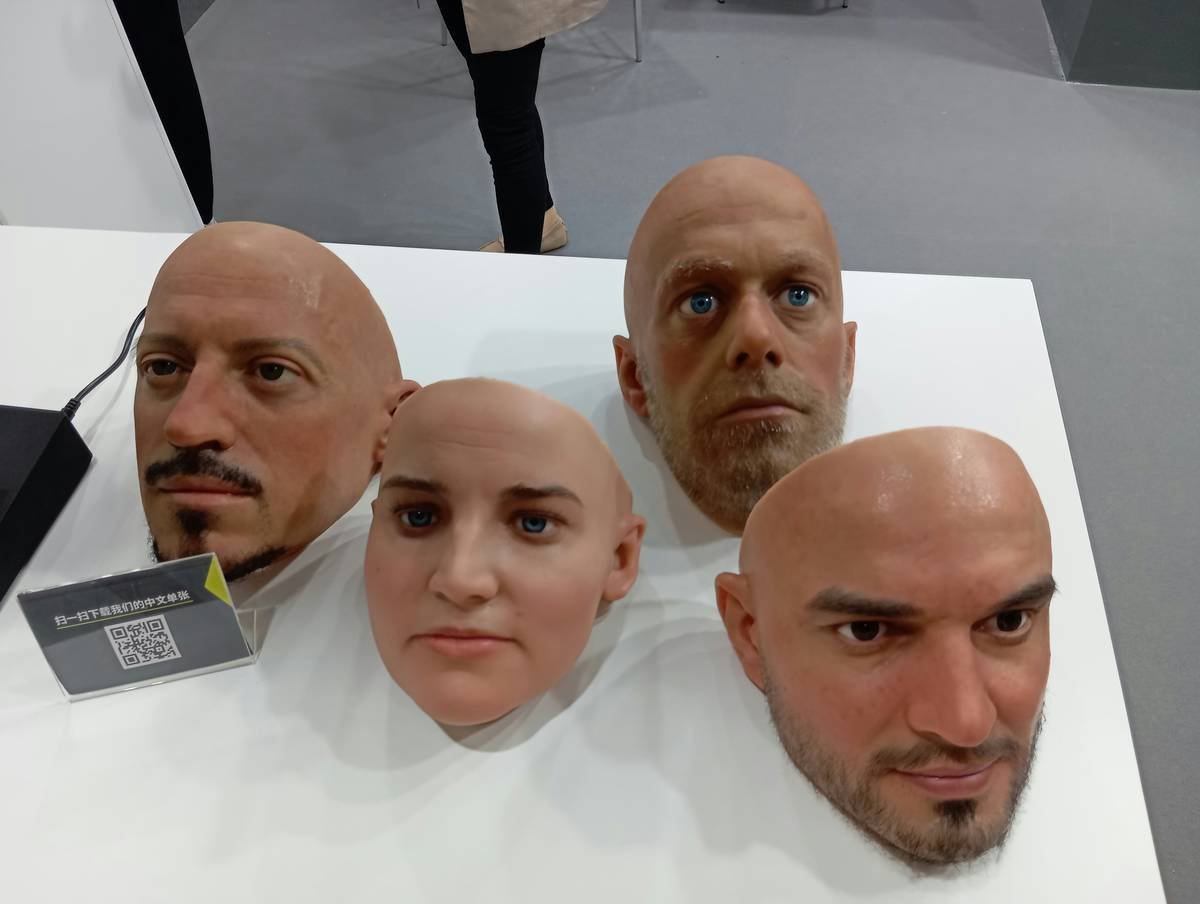
Enter prosthetic makeup: where foam latex, silicone, and gelatin appliances fuse with skin to create wounds, aging effects, or fantasy creatures. But even the most lifelike scar becomes comical if it peels mid-monologue.
According to the Society of American Fight Directors (SAFD), over 68% of amateur theater injuries related to makeup stem from improper adhesive use or allergic reactions—proof that this craft blends artistry with biochemistry.
Step-by-Step: Prosthetic Application for the Stage
How do you make a prosthetic stay glued through an entire act?
Optimist You: “It’s easy! Just slap on some spirit gum!”
Grumpy You: “Ugh, fine—but only if you promise never to use spirit gum on silicone again. It peels like sunburn.”
Here’s my battle-tested workflow after 12 years in regional theater and film SFX:
1. Prep the Skin Like Surgery
Cleanse with 70% isopropyl alcohol to remove oils. Apply a thin layer of Pros-Aide or Ben Nye’s Final Seal as a barrier. This prevents adhesive irritation and boosts bond strength.
2. Trim & Blend Edges
Use curved micro-scissors to feather prosthetic edges. For foam latex, stipple with a dry sponge; for silicone, use a silicone-based blending gel (like Skin Tite).
3. Adhere with Precision
- Foam Latex: Use Telesis 5 or ProBond. Let tack for 30 seconds before pressing.
- Silicone Prosthetics: Must use silicone adhesive (e.g., Sil-Bond). Water-based glues will fail.
- Gelatin: Rare today due to melting—but if used, chill both piece and actor’s skin first.
4. Paint with Stage Pigments
Never use regular eyeshadow or lipstick. Use alcohol-activated paints (like Skin Illustrator) or cream-based theatrical colors (Kryolan, Ben Nye). Build layers: base tone → texture → highlights/shadows.
5. Set & Protect
Spray with Ben Nye Final Seal or Kryolan Fixer. Reapply between acts if needed—keep travel-size bottles in your quick-change kit.
7 Best Practices for Long-Lasting Stage Makeup
- Test Under Real Lights: Run a 10-minute rehearsal under actual stage conditions. What reads in daylight may disappear under blue gels.
- Hydrate Skin Pre-Makeup: Dehydrated skin cracks prosthetics. Use hyaluronic serum 1 hour before application.
- Avoid Petroleum-Based Products: They break down latex and weaken adhesives.
- Layer Strategically: Thin layers > thick globs. Thick makeup cracks during facial movement.
- Carry an Emergency Kit: Include adhesive remover, cotton swabs, matching paint, and blotting papers.
- Remove Gently: Use oil-based removers (like Mehron Remover) followed by micellar water. Never rip off prosthetics.
- Sanitize Tools: Cross-contamination causes breakouts. Alcohol-spray brushes between uses.
Terrible Tip Disclaimer
“Just use Elmer’s glue—it’s cheap and holds!” NO. Elmer’s contains PVA, which irritates skin, doesn’t adhere well, and leaves residue that ruins future applications. Your face isn’t a popsicle stick.
Rant Section: My Pet Peeve
I cannot stand when directors say, “Oh, just wear more eyeliner.” More isn’t better—it’s messy. Stage makeup is about *contrast*, not *coverage*. A sharp white highlight under the brow bone reads farther than five coats of black liner. Teach directors basic visual literacy, folks.
Real-World Case Study: Broadway Meets Budget
Last year, I worked with a nonprofit Shakespeare troupe staging Titus Andronicus—on a $500 makeup budget. They needed realistic throat slashes, battle scars, and aged skin for 15 actors… nightly for three weeks.
Instead of expensive custom silicone pieces, we used pre-made foam latex appliances from Monster Makers (cost: ~$12/piece). We cleaned them with dish soap post-show, reapplied adhesive with Telesis 5 thinned with solvent (extends life 3×), and painted with Kryolan Aquacolor cakes—water-activated but sweat-resistant once set.
Result? No prosthetic failures across 21 performances. Audience members thought the wounds were “shockingly real.” And the lead actor’s skin stayed intact—no redness or peeling, thanks to pre-application barrier cream.
This proves you don’t need Oscar-level budgets—just smart material choices and disciplined technique.
FAQ: Stage Makeup for Actors
Can I use regular foundation for stage?
No. Standard foundations lack pigment density and UV reflectivity. They oxidize under heat and appear grayish under halogen lighting. Use theatrical brands like Ben Nye Cream Foundation or Kryolan TV Paint Stick.
How do I make fake blood stay put?
Use high-viscosity blood (like Mehron Coagulated Blood) mixed with corn syrup-free formula. Seal edges with liquid latex or Pros-Aide before applying. Avoid glycerin-heavy recipes—they slide off sweaty skin.
What’s the best adhesive for sensitive skin?
Duo Eyelash Adhesive (latex-free version) works for small pieces. For full prosthetics, try Medical Adhesive B (MA-B) – hypoallergenic and widely used in burn units.
Do I need different makeup for musicals vs. plays?
Yes! Musicals involve more movement and sweat. Use alcohol-activated paints (set permanently once dry) rather than cream-based products that may smear during choreography.
Conclusion
Stage makeup for actors—especially with prosthetics—is equal parts science, stamina, and soul. It’s not about masking yourself; it’s about amplifying truth so it echoes to the back row. With the right adhesives, pigments, and prep, your creations won’t just survive the spotlight—they’ll command it.
Remember: great stage makeup disappears. The audience sees King Lear’s grief, not your contour lines. Now go glue something beautiful (and sweat-proof).
Like a Tamagotchi, your prosthetic needs daily care—or it dies in Act II.