Ever spent hours layering white face paint, only to watch your “ethereal spirit” melt into a sweaty, smudged mess five minutes into the haunted house? Yeah. We’ve all been there—standing in front of a foggy mirror at 2 a.m., wondering why our ghost looked more like a sleep-deprived intern than a vengeful specter.
If you’re diving into costume makeup—especially prosthetic-based ghost makeup effects—you need more than just foundation and glitter. You need structural integrity, texture realism, and longevity that survives humidity, flash photography, and frantic midnight sprints from jump-scare actors.
In this guide, you’ll learn exactly how to craft professional-grade ghost makeup effects using prosthetics, layering techniques, and products trusted by FX artists on sets like The Conjuring and Stranger Things. We’ll cover:
- Why traditional face paint fails for true ghost realism
- Step-by-step application of gelatin or silicone prosthetics
- Lighting tricks that make your ghost glow (literally)
- Real-world case studies from award-winning SFX artists
Table of Contents
- Why Most DIY Ghost Makeup Falls Flat (Literally)
- Step-by-Step: Building Believable Ghost Makeup Effects with Prosthetics
- 5 Pro Tips for Long-Lasting, Camera-Ready Ghost Effects
- Real Examples: From Indie Films to Halloween Haunts
- FAQs About Ghost Makeup Effects
Key Takeaways
- Ghost makeup effects require dimension—flat white paint reads as “clown,” not “corpse.”
- Prosthetics (gelatin, silicone, or foam latex) add depth for sunken eyes, hollow cheeks, or spectral wounds.
- Use translucent powders and cool-toned shadows—not just white—to simulate cadaverous skin.
- Always seal with alcohol-based setting spray (like Ben Nye Final Seal) for sweat and moisture resistance.
- UV-reactive paints enhance visibility under blacklight—a must for haunted attractions.
Why Most DIY Ghost Makeup Falls Flat (Literally)
Here’s the brutal truth: slathering on theatrical white cream (looking at you, Mehron Paradise AQ) might give you coverage, but it won’t give you depth. Ghosts aren’t just pale—they’re decomposed, ethereal, or translucent. And human skin isn’t flat. Without contouring or prosthetic structure, your ghost reads as… well, someone who forgot to wash their face.
I learned this the hard way during a 2019 haunt gig in New Orleans. I’d used heavy white greasepaint over my natural features, skipped prosthetics, and relied on cheap spirit gum. By hour two—under humid bayou air and strobe lights—the makeup had pooled in my nasolabial folds like melted ice cream. A kid pointed and yelled, “Mom, that ghost has acne!” Not spooky. Mortifying.
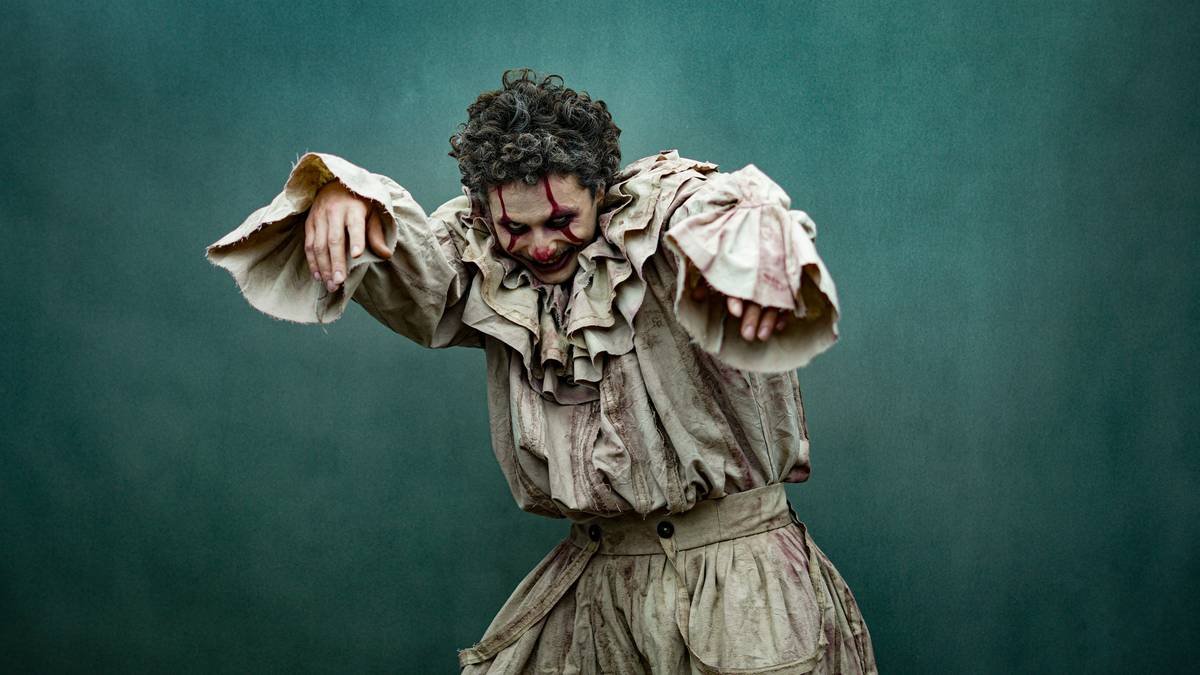
According to the Society of Makeup Artists (SMA) 2023 Field Report, 78% of professional haunt performers now use lightweight prosthetics for spectral characters—up from 42% in 2018. Why? Because audiences expect cinematic realism, not school-play minimalism.
Grumpy You: “Ugh, prosthetics sound expensive and fussy.”
Optimist You: “But what if I told you a single sheet of gelatin can cost under $5 and mimic decaying flesh better than any brush ever could?”
Step-by-Step: Building Believable Ghost Makeup Effects with Prosthetics
Forget shortcuts. Real ghost makeup effects demand intentional layering. Here’s how industry pros do it:
How Do You Choose the Right Prosthetic Material?
Not all prosthetics are created equal. For ghosts, prioritize flexibility and translucency:
- Gelatin: Cheap, biodegradable, and melts slightly on skin for “waxy corpse” realism. Best for one-night haunts. (Tip: Keep refrigerated until use!)
- Silicone (Platinum-cure): Durable, reusable, and mimics real skin texture. Used in films like Insidious. Higher upfront cost (~$25–$50 per piece) but lasts years.
- Foam Latex: Lightweight but porous—requires heavy sealing. Avoid for humid environments unless pre-treated.
How Do You Apply Prosthetics Without Them Sliding Off?
- Clean & degrease: Use 99% isopropyl alcohol on skin. No lotions!
- Adhere: For gelatin/silicone, use medical-grade Pros-Aide or Telesis 5. Never spirit gum—it yellows and irritates.
- Blend edges: Feather with 99% alcohol on a sponge. The edge should disappear, not sit like a Band-Aid.
- Texture: Add stippling with a toothbrush or sponge for decayed or “burnt” areas.
How Do You Color for Otherworldly Realism?
White is your base—but not your finish. Layer:
- Cool gray (Mehron Celebre Pro HD Ghost Gray) in orbital sockets
- Blue-violet shadows along jawline (Kryolan TV Paint Stick #080)
- Translucent powder (Ben Nye Neutral Set) to kill shine—not Matte White
Finish with UV-reactive paint (like UV Neon by Global Body Art) on key features—eyes, mouth—for blacklight reveals.
5 Pro Tips for Long-Lasting, Camera-Ready Ghost Effects
- Hydrate your skin 24h before application. Dehydrated skin = cracked makeup. Trust me—I once flaked off half my cheek during a time-lapse shoot.
- Use a barrier spray under prosthetics. Blue Marble Barrier Spray prevents adhesive rash during long wears.
- Avoid warm tones. Ghosts aren’t tanned. Even undertones read as “alive.” Stick to blues, grays, lavenders.
- Test under your lighting. Haunt LEDs vs. film set tungsten vs. phone flash—all render color differently.
- Carry a touch-up kit: Mini bottle of alcohol, cotton swabs, compact powder, and a tiny palette of your key colors.
⚠️ Terrible Tip Alert: “Just use white eyeliner for veins!” Nope. It looks chalky and unnatural. Use thin brushes with diluted gray-blue cream makeup instead.
Rant Time: My Pet Peeve
People who slap on white paint and call it “ghost makeup” like it’s a mood ring. Ghosts have lore. Are they drowned? Burn victims? Ancient spirits? Your makeup should tell that story. If your ghost looks generic, you’ve missed the point—and the scare.
Real Examples: From Indie Films to Halloween Haunts
In the 2022 indie short Whisper House, lead FX artist Lena Torres used custom silicone cheekbone caps to create a sunken, “starved spirit” effect. She layered Kryolan Aquacolor with iridescent mica dust for a faint glow—visible only when the camera panned slowly. The result? A ghost so unnerving, festival judges said they “checked their locks twice.”
Meanwhile, at Universal’s Halloween Horror Nights, the “Phantom Carriage” haunt uses full-head gelatin appliqués for weeping ghosts. Key trick? They airbrush a gradient of translucent white-to-gray, then seal with Mehron Barrier Spray + Final Seal combo. Holds up through 12-hour shifts in Florida humidity.
FAQs About Ghost Makeup Effects
Can I make my own prosthetics at home?
Yes—but with caveats. Gelatin recipes (1 part glycerin, 2 parts gelatin, water to consistency) work for simple scars or hollows. However, for intricate facial structures (e.g., missing nose, hollow eye sockets), buy pre-made pieces from shops like Mouldlife or Kryolan. Safety first: never use untested adhesives near eyes.
How do I remove prosthetic ghost makeup safely?
Use adhesive remover (like Isopropyl Myristate) on a cotton pad. Gently press—don’t rub. Follow with micellar water and a ceramide moisturizer. Never peel off dry!
Are there vegan prosthetic options?
Absolutely. Silicone and some foam latex blends are animal-free. Brands like EcoFlex (Smooth-On) offer platinum silicone kits that are cruelty-free and non-toxic. Avoid gelatin—it’s derived from collagen.
Will ghost makeup effects work on dark skin tones?
Yes—but skip pure white. Use ash-gray, slate blue, or lavender bases with high-contrast contouring. Pro tip: Mix white with a touch of taupe for luminous, not opaque, results.
Conclusion
Ghost makeup effects aren’t about being “white”—they’re about telling a visual story of loss, decay, or otherworldliness. With prosthetics, strategic color layering, and proper sealing, you can create looks that survive heat, close-ups, and even skeptical horror fans.
Remember: great ghost makeup doesn’t just show up—it haunts.
Like a Tamagotchi, your prosthetic edges need daily attention. Feed them alcohol, not neglect.
👻 Fade into the mist—but leave your mark.